The Evolution of Sensor Technology in Railways
Over the past 20 years, sensor technology has profoundly evolved, reshaping the way railway systems monitor and maintain infrastructure and operations. Early sensor implementations primarily focused on simple measurements such as temperature and vibration. However, advances in microelectronics, wireless communications, and miniaturization have enabled the deployment of a vast ecosystem of smart sensors across rail assets, providing continuous real-time data for proactive maintenance and safety assurance.
This transformation, chronicled in detail by Railway-News in March 2026, highlights the shift from isolated sensor readings to interconnected sensor networks that deliver a holistic view of railway health and performance.
From Sensors to Connected Devices and Live Dashboards
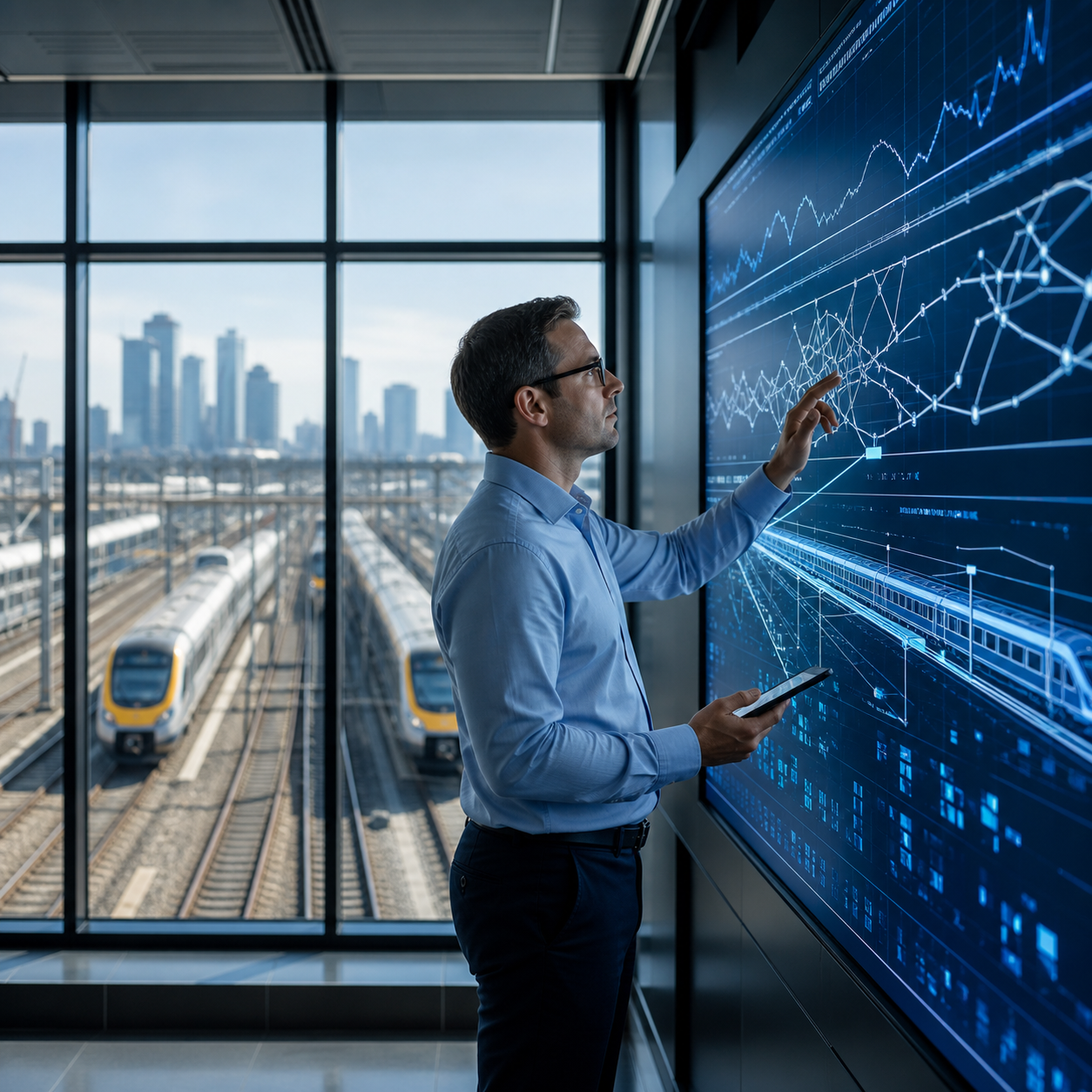
One of the key drivers amplifying the value of modern sensors is their integration with connected devices and live dashboards. Real-time data transmission allows operational teams to access current health indicators and anomaly alerts anytime, anywhere. Live dashboards synthesize complex datasets into intuitive visual representations, enabling faster detection of issues such as track deformation, bearing wear, or environmental hazards.
Incorporating connected devices also facilitates remote diagnostics and reduces the need for costly manual inspections, driving improved asset uptime and operational efficiency. Coupled with secure wireless networks and edge computing, these systems deliver timely insights critical to maintaining safe rail operations.
Leveraging Data Analytics and Operational Workflows
Beyond data collection and visualization, the real power lies in embedding analytics and operational workflows into sensor ecosystems. Advanced algorithms analyze sensor streams to predict failures, optimize maintenance schedules, and inform resource allocation. When integrated into existing enterprise workflows, this ensures that actionable intelligence leads directly to informed decision-making and coordinated responses.
Railway operators can thus transition from reactive maintenance to predictive and prescriptive maintenance models, minimizing service disruptions and lowering costs. This data-centric transformation supports regulatory compliance and helps meet passenger expectations for safety and reliability.
As the railway industry continues to adopt and refine these technologies, organizations face challenges related to system integration, data security, and scaling deployments across legacy infrastructure.
How Paw Partners Can Support Railway Sensor Technology Integration
At Paw Partners, we understand the complexity of bringing advanced sensor technologies together with connected devices, dashboards, analytics, and workflows to drive tangible improvements in railway operations. With deep engineering expertise in sensor systems, embedded software, and data analytics platforms, we help rail customers design and implement scalable, secure solutions tailored to their specific operational contexts.
Our practical approach ensures seamless integration with existing infrastructure and enterprise systems, facilitating a smooth transition to modern asset management and operational excellence. By partnering with Paw Partners, railway operators can leverage two decades of sensor innovation coupled with experienced engineering support to realize the full value of connected sensor ecosystems.