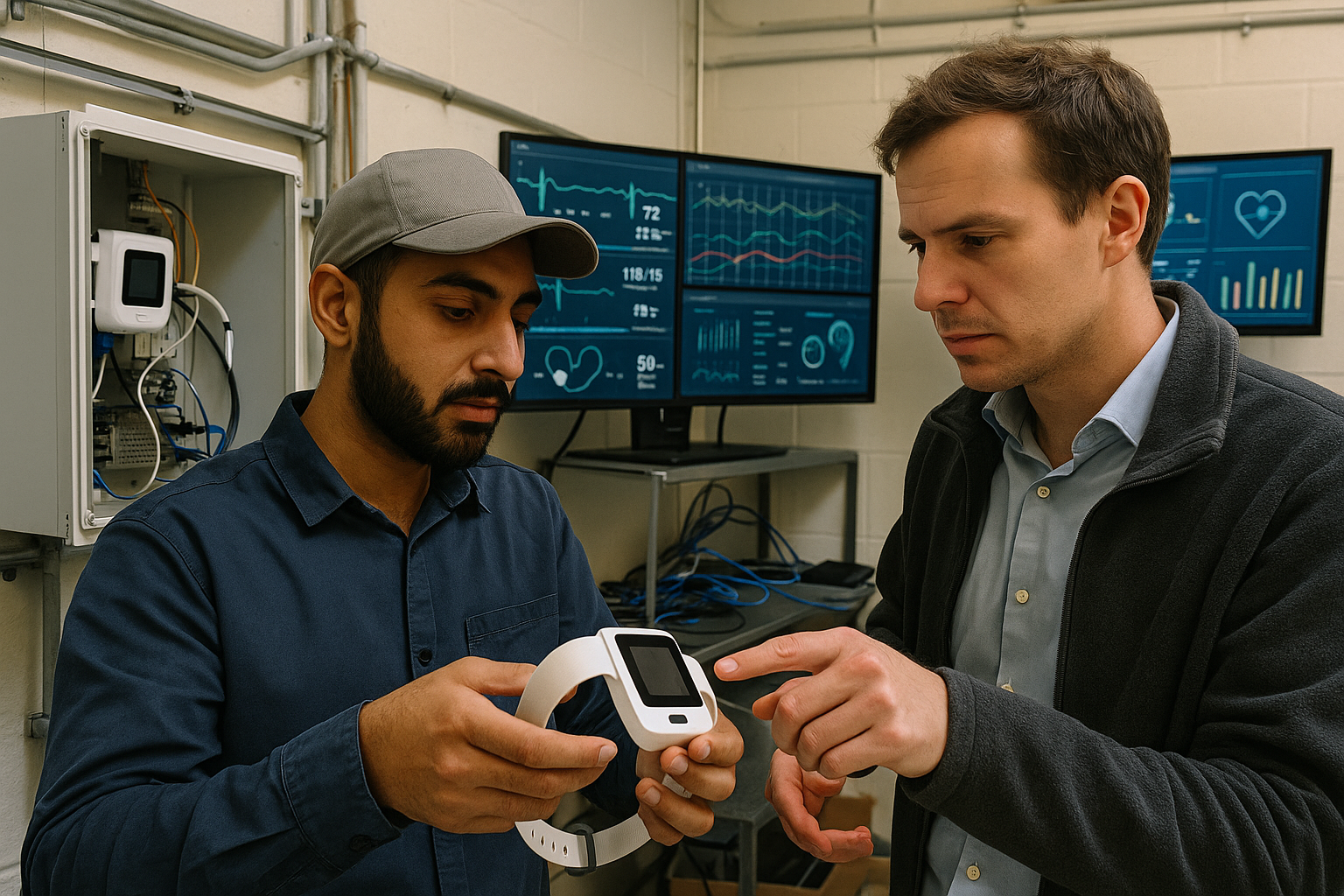
The Telehealth Boom and Its Impact on Patient Monitoring Accessories
Telehealth adoption has accelerated substantially in recent years, driven by the demand for remote care and improved patient access. According to the market analysis from IndexBox, the patient monitoring accessories sector is forecast to grow steadily toward 2035. These accessories include devices such as wearable sensors, vital signs monitors, and data transmission modules. The expansion is a direct outcome of increased use of telehealth platforms, which rely on these accessories to transmit accurate and real-time health data from patients to care providers.
Engineering Challenges in Connected Medical Devices
The integration of patient monitoring accessories into telehealth infrastructures introduces critical engineering challenges. Reliable connectivity is essential to ensure uninterrupted and accurate data flow. Variability in patient environments, from home to mobile settings, requires devices to operate consistently under diverse conditions. Additionally, the design must prioritize power efficiency for wearables while maintaining precision in sensing physiological parameters. Engineers must also consider interoperability among heterogeneous systems to enable seamless data aggregation on telehealth platforms.
Ensuring Secure Data Flows and Operational Visibility
Patient data transmitted from monitoring accessories must be protected against breaches, requiring robust security protocols embedded at the device and network levels. End-to-end encryption, secure authentication mechanisms, and compliance with healthcare regulations such as HIPAA are mandatory considerations. Beyond security, healthcare providers benefit from operational dashboards that synthesize incoming data into actionable insights. These dashboards improve situational awareness, enabling timely clinical response and resource management. Engineering solutions that integrate real-time monitoring and data analytics support providers in delivering improved patient outcomes.
Moreover, the development of middleware and edge computing technologies can reduce latency, process data locally, and filter relevant information before transmission, optimizing network usage and enhancing data security. The confluence of these technologies demands interdisciplinary engineering expertise.
For many organizations, events like this expose the same architectural weakness: data may exist, but it is not yet connected to a dependable operational process. Without that connection, teams see the issue too late or respond inconsistently across locations.
A practical engineering response should treat IndexBox as a signal, not just a news item. The goal is to translate lessons from the event into clearer device telemetry, stronger automation rules, and dashboards that support decisions under real operating conditions.