Introduction
In March 2026, World Athletics expanded its air quality monitoring efforts at international sporting events to safeguard athletes' health. This initiative has underscored a persistent challenge: the scarcity of reliable environmental data in many regions of the Global South. Air pollution remains a critical public health concern, yet the lack of comprehensive, real-time data impedes effective response and policy-making.
The Air Quality Data Void in the Global South
Many countries in the Global South lack the infrastructure for continuous air pollution monitoring. Stationary sensors are often few and limited in scope, leading to insufficient spatial and temporal data resolution. This gap affects not only sports events but also urban planning, public health responses, and emergency management. Without timely and accurate data, organizations struggle to make informed decisions that could mitigate exposure risks.
Engineering Solutions for Real-Time Monitoring and Alerts
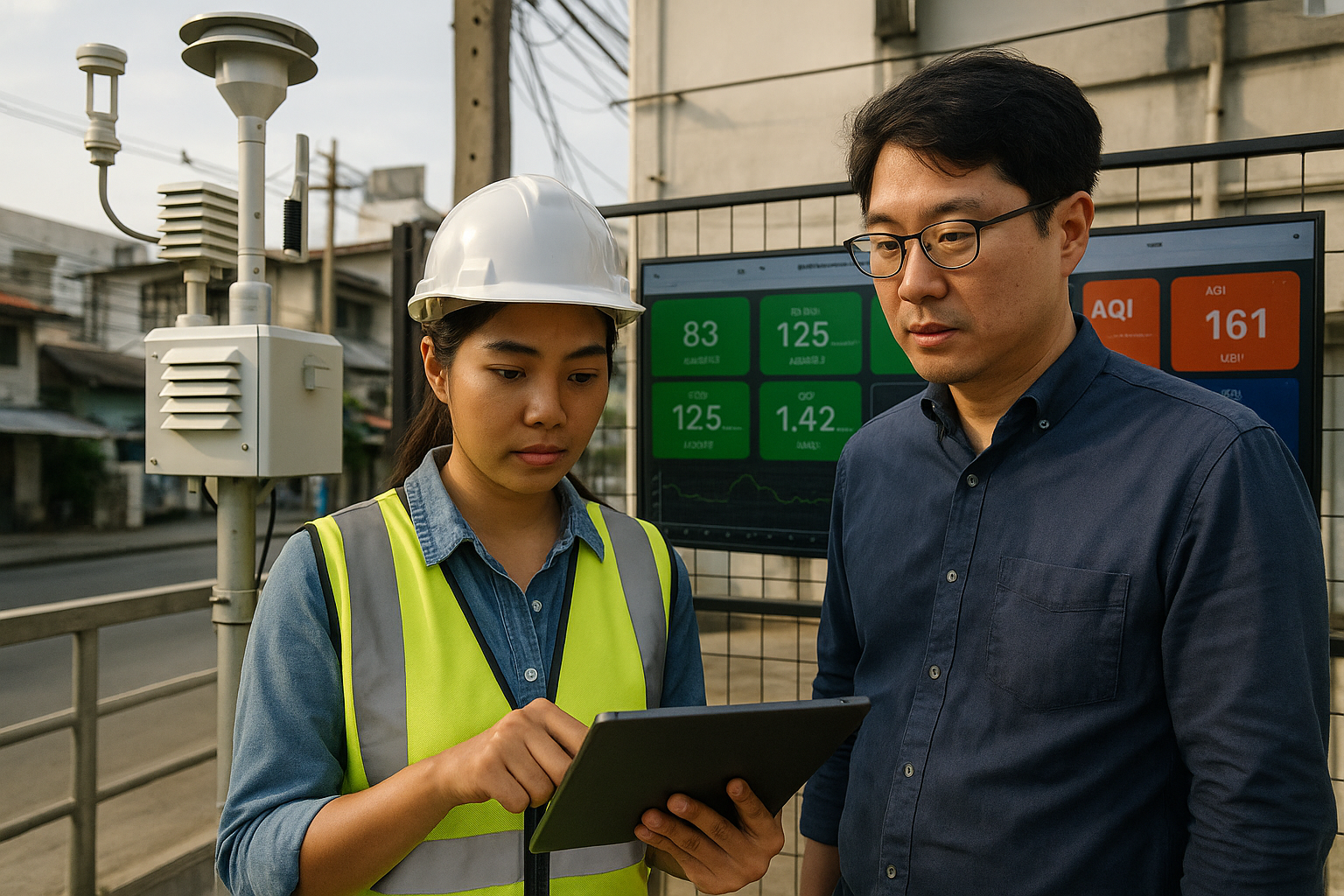
Advancements in air-quality sensing technology enable deployment of distributed sensor networks capable of providing granular, real-time environmental data. Coupled with automated alert systems, these networks enable swift operational responses. Live dashboards offer stakeholders a comprehensive view of air quality trends, facilitating proactive decision-making. For example, dynamic event scheduling or temporary closures can reduce pollutant exposure based on live data.
Applying Practical Technologies to Bridge the Gap
Developing a solution that integrates cost-effective sensors, reliable data communication, and user-friendly platforms is essential. Paw Partners' engineering approach focuses on scalable sensor deployments tailored to local conditions, ensuring data accuracy and robustness. Our systems integrate cloud-based analytics and customizable alert thresholds, empowering organizations to respond rapidly to air quality fluctuations.
Benefits of Real-Time Air Quality Data for Operational Decisions
Operational teams benefit from quantifiable metrics and timely alerts by optimizing resource allocation and enhancing public safety measures. Real-time data facilitates evidence-based policymaking and community awareness initiatives. For sports organizations specifically, such technology supports athlete health protocols and event logistics under varying environmental conditions.