Introduction: The Growing Importance of Air Quality Data in Sports Events
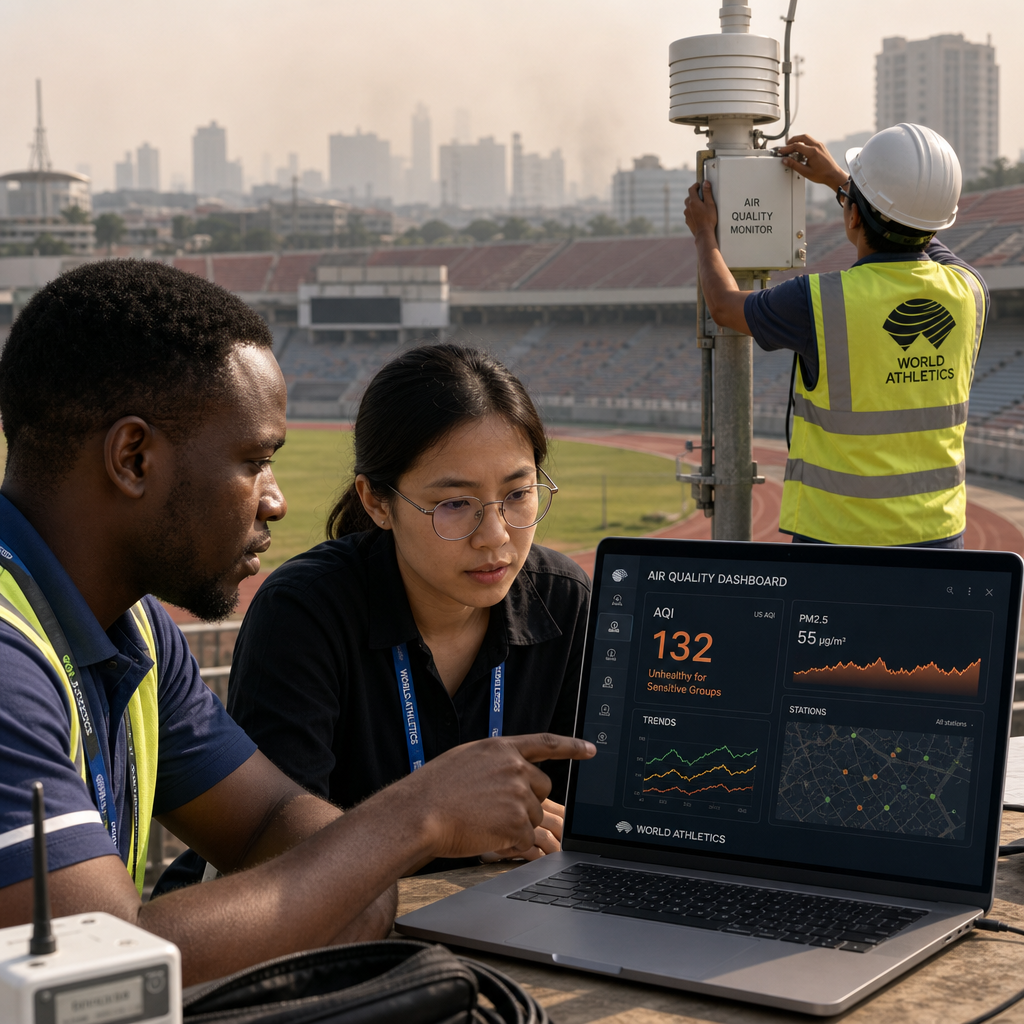
On March 24, 2026, World Athletics announced a significant expansion of its air quality monitoring efforts during international sporting events. This initiative aims to better understand the environmental conditions athletes face, particularly air pollution levels that can impact performance and health. The expanded monitoring program employs advanced air-quality sensors and integrates automated alert systems, providing real-time data to event organizers and participants alike.
Challenges in the Global South: Addressing the Data Void
Despite the progress made by World Athletics, the Global South continues to face a persistent lack of comprehensive air quality data. Many regions struggle with limited monitoring infrastructure and insufficient resources to track pollution levels continuously. This data vacuum hampers timely responses to hazardous air conditions, leading to potential health risks for both athletes and local populations. Furthermore, the absence of consistent data impedes informed operational decisions for event organizers in these regions.
Leveraging Advanced Air Quality Technologies for Better Outcomes
To overcome these challenges, organizations can adopt scalable air-quality sensing networks combined with automated alert mechanisms and live data dashboards. These technologies enable continuous environmental monitoring, delivering immediate insights on pollution spikes or harmful trends. Real-time dashboards consolidate data into actionable visual formats, empowering decision-makers to enact safety protocols, reschedule activities, or implement mitigation strategies promptly. Such systems enhance situational awareness, reduce response times, and improve the overall management of air quality risks during critical events.
Practical Applications and Benefits for Engineering and Event Management
Implementing comprehensive air quality monitoring solutions has practical benefits beyond sports. Engineering companies and event managers can utilize these data-driven approaches to design safer venues, optimize operational workflows, and comply with environmental regulations. Automated alerts serve as early warning systems, safeguarding stakeholders and minimizing disruptions. Moreover, access to robust datasets fosters collaboration between health officials, environmental agencies, and community leaders to address broader air pollution concerns.
Conclusion: How Paw Partners Can Support Enhanced Air Quality Monitoring
While World Athletics sets a precedent in expanding air quality monitoring, bridging the data gap in the Global South requires tailored, reliable engineering solutions. Paw Partners specializes in deploying integrated sensing networks, real-time dashboards, and alert systems suited for diverse environmental conditions and operational needs. By partnering with Paw Partners, organizations in the Global South can harness advanced technologies to monitor air quality efficiently, enabling faster responses and informed decisions that protect athletes and communities alike.
Source: healthpolicy-watch.news