Introduction to the Groundbreaking Water Quality Sensor
In a significant advancement for environmental monitoring, a Stony Brook University professor recently patented a novel water quality sensor designed to provide accurate, real-time analysis of aquatic environments. This device presents a pivotal tool for monitoring water contaminants, crucial for maintaining public health and ecological balance. The patented sensor incorporates innovative materials and sensing technology to deliver high-precision readings even in challenging conditions.
Integration of Device Telemetry and Monitoring Platforms
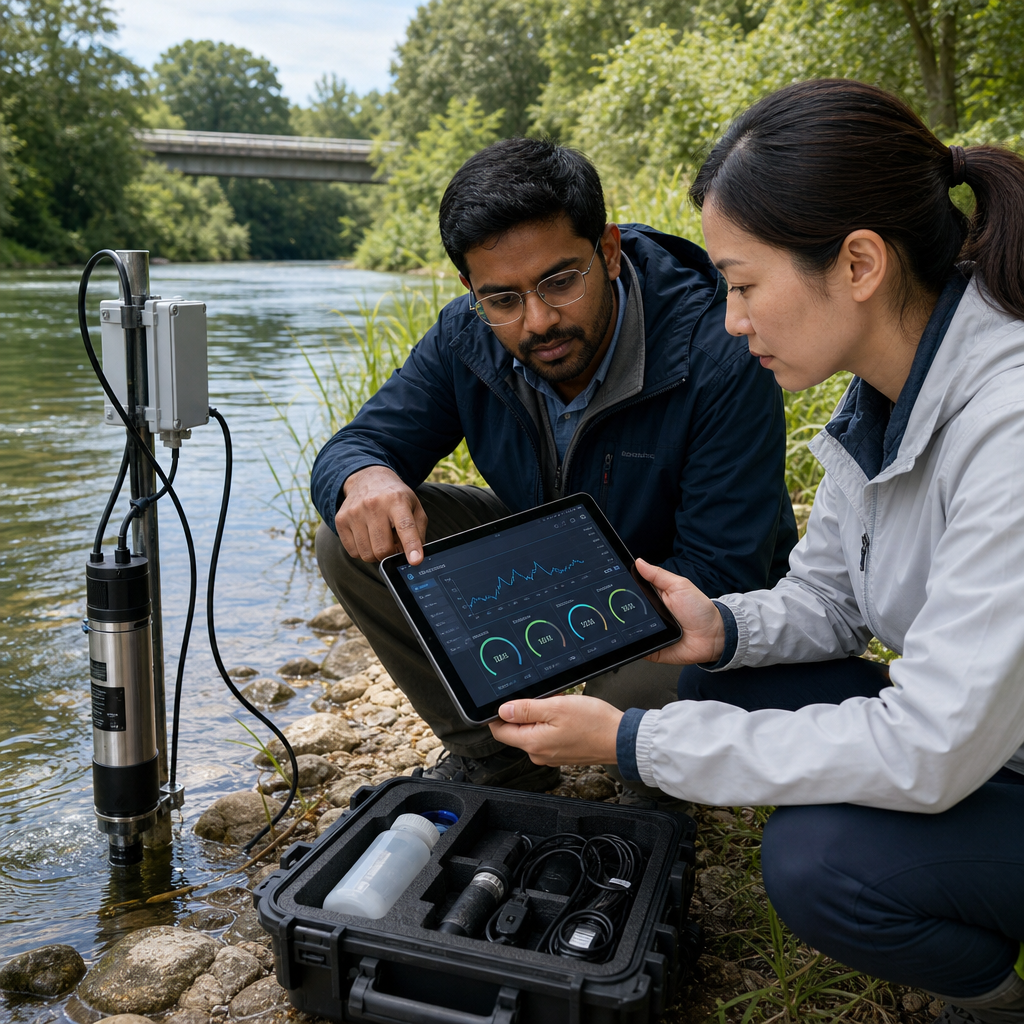
The water quality sensor incorporates device telemetry capabilities that transmit data remotely to centralized monitoring platforms. This connectivity enables continuous surveillance over water systems without the need for manual sample collection, thus reducing operational costs and resource deployment. The telemetry integration supports data logging, trend analysis, and integration with other environmental data streams, offering stakeholders a comprehensive view of water health indicators.
Role of Health Alerts in Minimizing Downtime and Enhancing Field Operations
One of the critical operational advantages of the patented sensor system is its automated health alert functionality. These alerts notify technicians promptly about sensor malfunctions, calibration needs, or environmental anomalies, allowing for rapid response and maintenance. Consequently, the system minimizes downtime and ensures data reliability. Field operations benefit from this proactive maintenance approach by optimizing resource allocation and scheduling, thereby maintaining continuous environmental oversight and compliance.
Implications for Water Management and Regulation
The deployment of this sensor technology can significantly influence water management policies and regulatory compliance. Real-time, high-accuracy data allows authorities to respond swiftly to contamination events, improve infrastructure decisions, and uphold environmental standards. The sensor's robust data outputs facilitate transparency and accountability in water quality management.
Conclusion: How Paw Partners Supports Effective Deployment and Maintenance
Introducing innovative sensor technologies like the one developed at Stony Brook necessitates skilled engineering implementation to maximize their operational benefits. Paw Partners specializes in developing and maintaining telemetry systems and monitoring solutions tailored to complex environmental sensors. Their expertise ensures seamless integration, reliable data transmission, and effective alert management, all critical for reducing downtime and enhancing field operations. As water quality monitoring evolves, Paw Partners provides the engineering support needed to realize the full potential of such groundbreaking devices.