Introduction to Alabama's Statewide Flood Alert System
On January 15, 2026, the Governor of Alabama announced the deployment of a comprehensive statewide flood alert system, aimed at enhancing the state's capacity to detect and respond to flood events. This initiative integrates real-time data collection from various sensors, automated warning dissemination, and coordinated response protocols to reduce the impact of flooding on communities.
Technical Framework of Connected Flood Monitoring
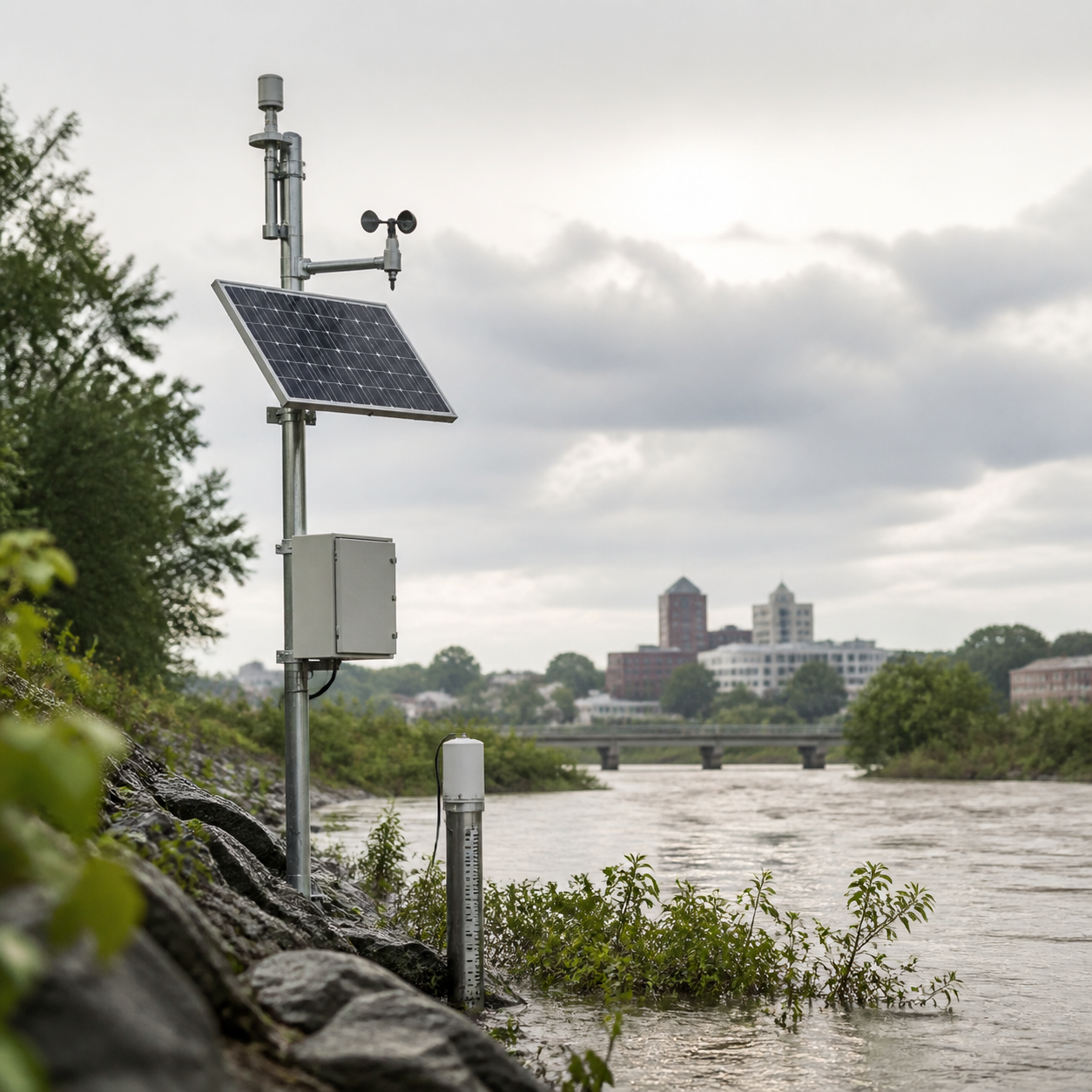
The system incorporates a network of hydrological sensors strategically placed across high-risk flood zones to measure parameters such as rainfall intensity, river levels, and soil saturation. These sensors transmit data continuously to a central monitoring platform using secure wireless communication protocols. The platform employs analytics to evaluate the data, trigger alerts when thresholds are exceeded, and generate actionable insights for emergency management personnel.
Integration of Warning Systems and Response Workflows
Effective flood management relies not only on data collection but on timely dissemination of warnings and coordinated response activities. Alabama's system integrates automated alert generation with multi-channel notifications, including SMS, email, and public address systems. Additionally, pre-defined response workflows align stakeholders, from emergency responders to public utilities, ensuring structured action plans are enacted promptly. This integrated approach enhances situational awareness, reducing response times and improving resource allocation during flood events.
Challenges and Opportunities in Environmental Event Monitoring
Implementing a statewide flood alert system poses several challenges, including the need for robust sensor deployment in remote areas, data reliability, and maintaining interoperability across diverse agencies. Continuous system maintenance, cybersecurity considerations, and user training are critical to the success of such infrastructure. However, the resulting improvements in visibility and coordination represent significant opportunities to mitigate flood-related hazards effectively.