Introduction to NDIR Gas Detection Technology
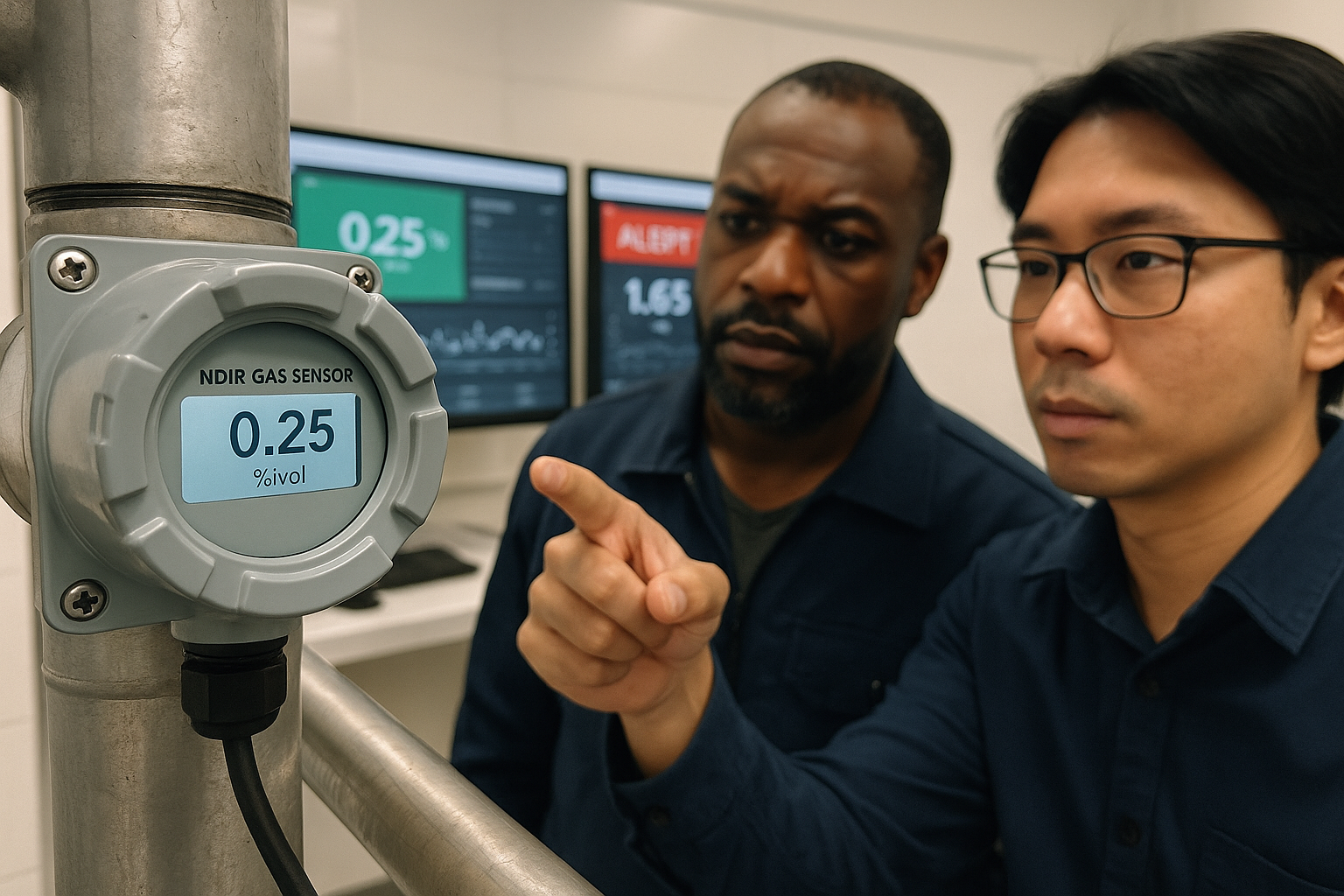
On March 24, 2026, Honeywell unveiled a new industrial sensor based on Non-Dispersive Infrared (NDIR) technology, aimed at improving flammable gas detection in industrial environments. NDIR sensors detect gases by measuring the absorption of infrared light at specific wavelengths, offering advantages in selectivity and durability compared to traditional catalytic sensors. This advancement is timely, given the industry’s continued focus on workplace safety and regulatory compliance regarding flammable gas hazards.
Advantages of Integrating NDIR Sensors with Connected Devices
While the hardware innovation itself is significant, the true value of modern gas detection emerges when sensors are integrated with connected devices and digital management platforms. By employing Internet of Things (IoT) technology, sensor data can be transmitted in real-time to central dashboards. This enables facility managers and safety personnel to monitor gas concentrations continuously, identify trends, and receive immediate alerts if hazardous levels are detected. The combination of NDIR sensors’ precision and connectivity enhances the responsiveness and preventive capabilities of safety systems.
Using Analytics and Operational Workflows to Drive Safety Improvements
Beyond real-time monitoring, analytics applied to the collected sensor data can uncover patterns that inform maintenance schedules, risk assessments, and operational decisions. For instance, predictive analytics can signal when sensor calibration or replacement is needed before failures occur. Additionally, integrating sensor insights into operational workflows streamlines incident response protocols, ensuring swift, coordinated action when alarms trigger. This holistic approach reduces downtime and elevates safety standards across the organization.
Challenges and Considerations in Deploying NDIR Sensors
Implementing NDIR-based detection systems requires careful planning regarding sensor placement, calibration, and network infrastructure. Environmental factors such as temperature and humidity can affect sensor accuracy, necessitating robust compensation algorithms. Moreover, cybersecurity measures must be incorporated to protect connected systems from unauthorized access or interference. Addressing these challenges is essential to realizing the full benefits of the technology in industrial settings.
Implications for Industrial Safety and Compliance
With regulatory bodies tightening requirements around hazardous gas monitoring, deploying advanced detection technologies like Honeywell’s NDIR sensor supports compliance efforts and enhances worker protection. The integration of these sensors within digital ecosystems not only meets current mandates but also establishes a scalable framework adaptable to future safety standards. Organizations adopting such technologies position themselves to mitigate risks effectively while optimizing operational efficiency.