Understanding the Evolution of Smart Water Leak Detectors
Water damage remains a prevalent risk across residential, commercial, and industrial infrastructures, leading to costly repairs and operational interruptions. Recent technological advances, as highlighted in PCMag's March 2026 review of the best smart water leak detectors, demonstrate a significant leap forward in sensor accuracy, wireless communication, and integration capabilities. Modern devices not only detect leaks early but also facilitate proactive asset management through robust data collection and alerting frameworks.
Integration with Monitoring Systems and APIs
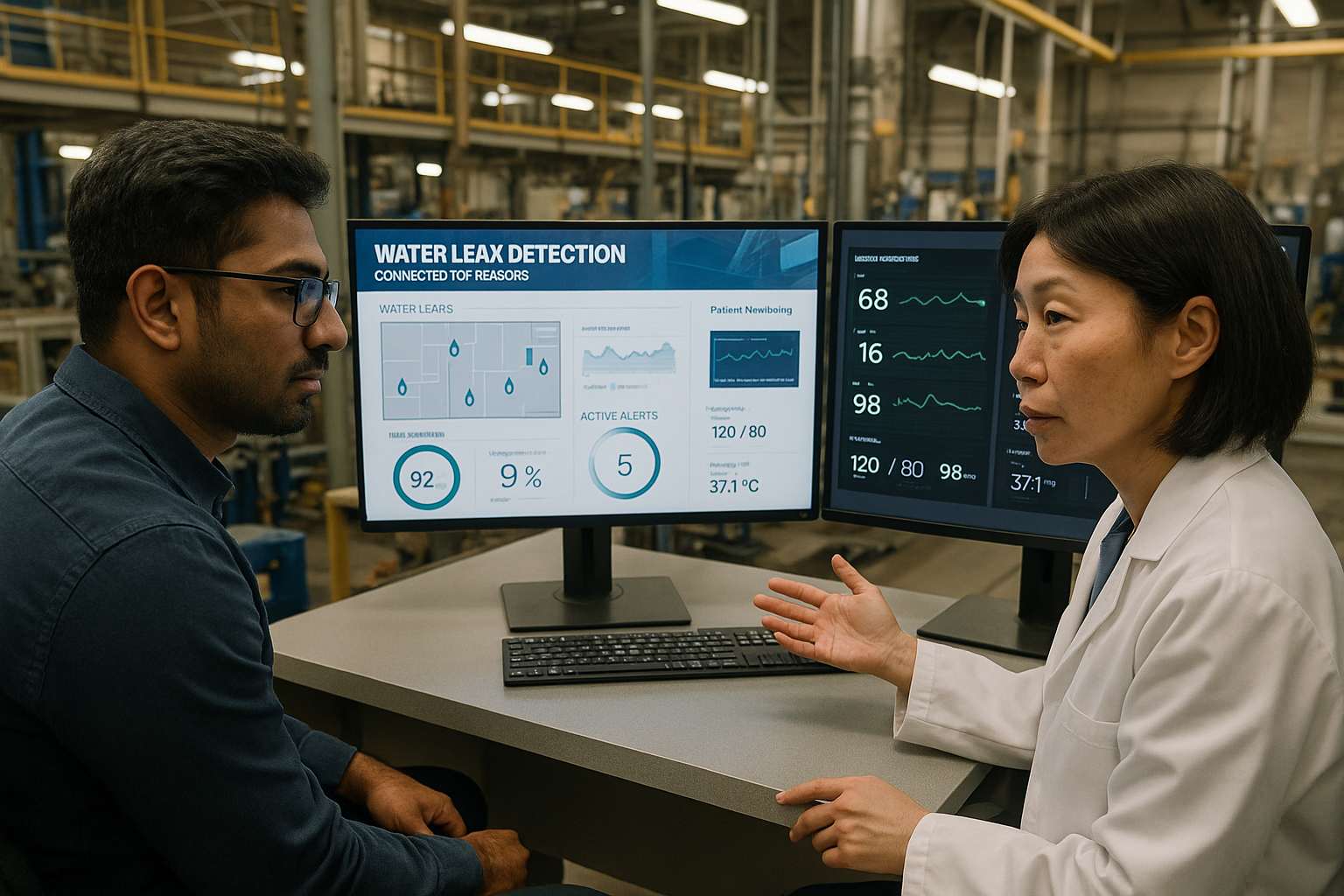
One of the pivotal improvements in 2026’s detectors is their enhanced compatibility with existing Building Management Systems (BMS) and IoT platforms. Advanced APIs allow for seamless data exchange, facilitating real-time dashboards that centralize leak status alongside other infrastructure metrics. These integrations empower facilities managers to monitor water systems with greater transparency and responsiveness, enabling preventive maintenance rather than reactive fixes.
Automation Workflows Driving Operational Efficiency
The incorporation of automation into water leak detection systems enables swift responses to critical events. Automated workflows can trigger immediate actions such as shutting off water valves or notifying emergency personnel, minimizing damage scope. These systems also support customized alert thresholds and reporting, tailored to the operational context of industrial plants or commercial complexes. The ability to program these workflows adds layers of resilience to infrastructure management protocols.
As seen in the recent evaluations, the adoption of smart water leak detectors represents a practical advancement in mitigating water-related risks. Firms integrating these technologies benefit from reduced downtime, enhanced asset protection, and improved regulatory compliance through data-driven approaches.
For many organizations, events like this expose the same architectural weakness: data may exist, but it is not yet connected to a dependable operational process. Without that connection, teams see the issue too late or respond inconsistently across locations.
A practical engineering response should treat PCMag as a signal, not just a news item. The goal is to translate lessons from the event into clearer device telemetry, stronger automation rules, and dashboards that support decisions under real operating conditions.