Introduction to the Breakthrough Water Quality Sensor
In September 2025, Stony Brook University announced the patent of a groundbreaking water quality sensor developed under the guidance of a leading professor. This sensor is designed to provide real-time, accurate measurements of critical water parameters, significantly enhancing the ability to detect contaminants and maintain safe water supplies. Its innovation lies in miniaturization, advanced sensing capabilities, and robust environmental durability, which together enable deployment in a wider range of conditions than previous sensors.
The Role of Telemetry and Monitoring Platforms in Water Management
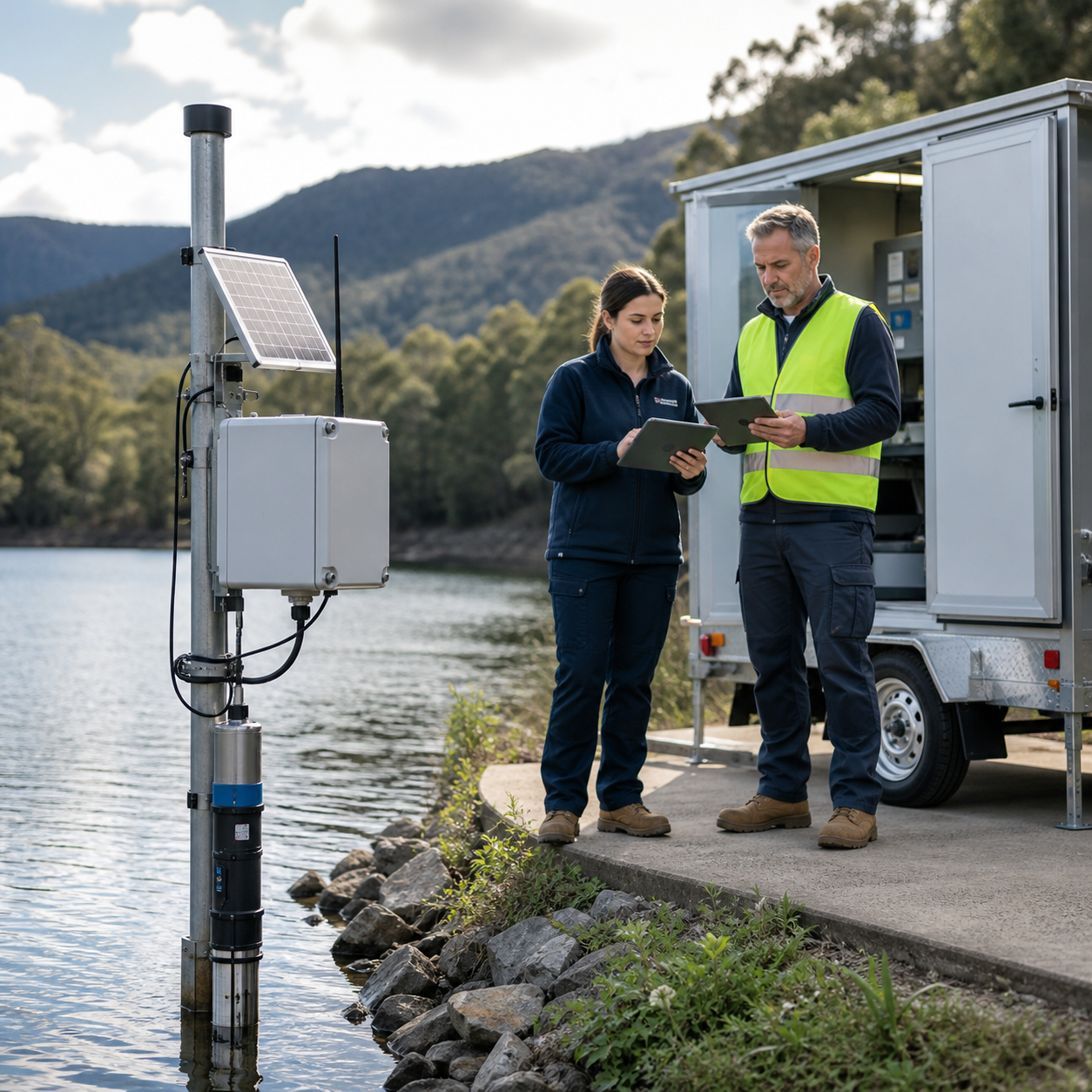
While hardware innovations such as this sensor are pivotal, their value is maximized through integration with advanced telemetry and monitoring platforms. These platforms collect sensor data continuously, transmitting it securely to centralized systems where it is analyzed for trends, anomalies, and actionable alerts. Such data-driven monitoring reduces the need for manual sampling, shortens response times, and provides operators with situational awareness that is critical for managing water infrastructure efficiently.
Modern telemetry systems include capabilities for remote diagnostics and configurable alert threshold settings to notify maintenance teams proactively. This approach minimizes water system downtime by allowing swift intervention before issues escalate, reducing operational risks and preserving regulatory compliance.
Paw Partners’ Expertise in Supporting Advanced Water Monitoring Solutions
Paw Partners specializes in engineering solutions that combine sensor telemetry with scalable monitoring platforms tailored to client needs. By leveraging expertise in system integration, network design, and data analytics, Paw Partners helps organizations incorporate novel sensors like the one developed at Stony Brook University into their existing infrastructure.
Through the application of health monitoring alerts, Paw Partners ensures that field personnel receive timely notifications to address sensor maintenance or calibration, thereby preventing data inaccuracies or downtime. Their practical experience in optimizing field operations includes streamlining communication between remote sites and central control rooms, fostering more agile and responsive water management strategies.
Organizations adopting these integrated solutions can expect improved operational efficiency, reduced manual labor, and enhanced data reliability—resulting in better water quality management and regulatory adherence.