Understanding the EPA's Nutrient Sensor Action Challenge
In October 2025, the U.S. Environmental Protection Agency (EPA) launched the Nutrient Sensor Action Challenge with the goal of advancing technologies that accurately measure nutrient levels in water bodies. Excessive nutrients like nitrogen and phosphorus contribute to harmful algal blooms and disrupt aquatic ecosystems. Reliable sensors play a critical role in real-time monitoring to inform mitigation strategies.
The challenge focused on encouraging innovation in sensor telemetry, continuous data reporting, and durability under varied field conditions. This reflects growing recognition that improving sensor reliability and connectivity directly benefits environmental management efforts.
Importance of Device Telemetry and Monitoring Platforms
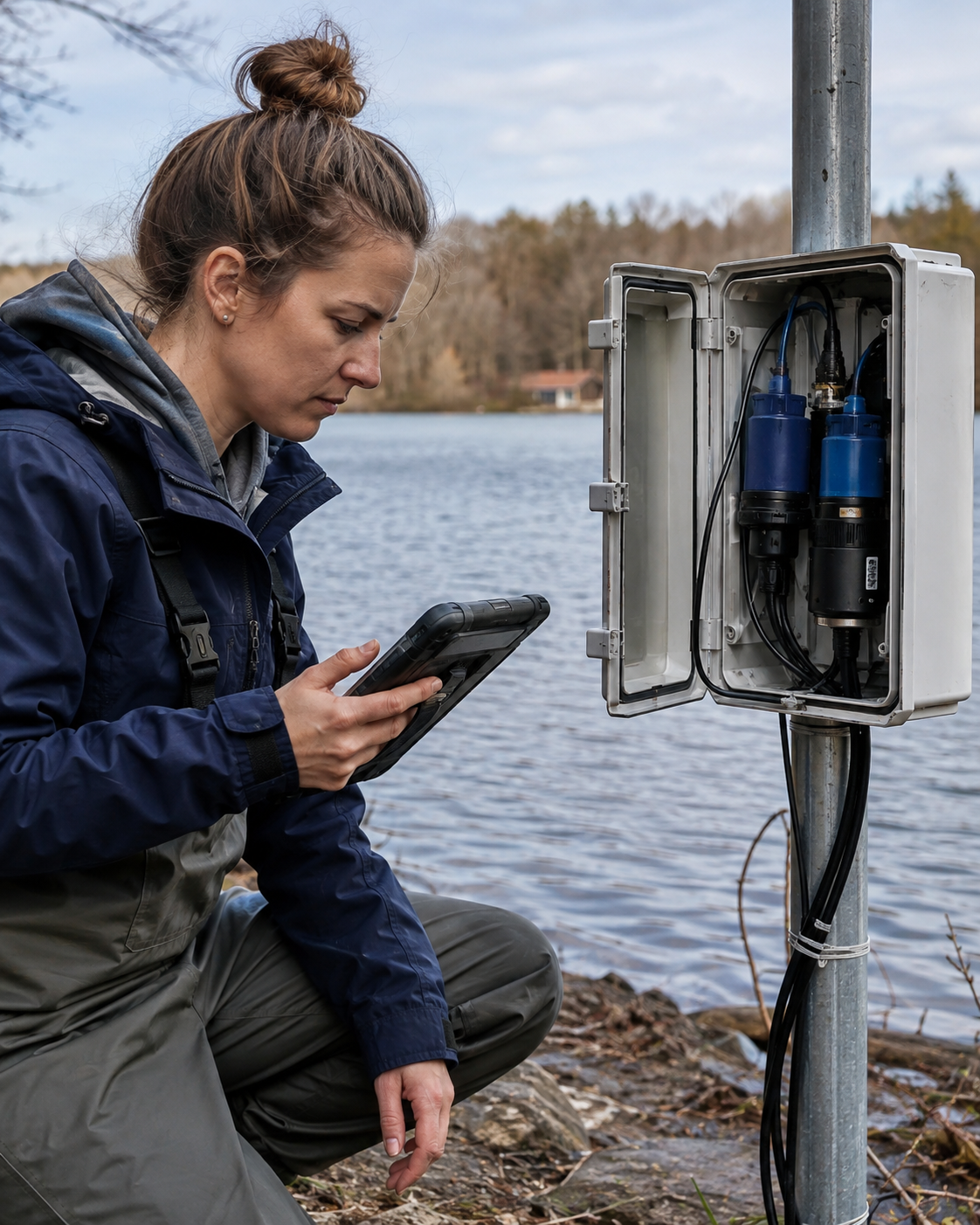
Effective nutrient sensor deployments require robust telemetry systems that facilitate continuous remote monitoring. Device telemetry enables real-time data transmission, reducing the need for labor-intensive manual data retrieval. Additionally, it supports early detection of sensor malfunctions or data anomalies.
Comprehensive monitoring platforms aggregate this data and provide actionable insights through dashboards and analytics. These platforms can trigger health alerts when performance thresholds are breached, allowing operators to intervene before failures cause data gaps. The integration of telemetry and monitoring thus reduces downtime, enhancing data continuity and overall reliability.
Optimizing Field Operations with Health Alerts
Health alerts contribute significantly by signaling maintenance needs promptly, ensuring sensor accuracy is maintained. In remote or difficult-to-access water bodies, minimizing unnecessary site visits lowers operational costs and improves workforce allocation.
By prioritizing alerts, operators can schedule preventive maintenance and swiftly rectify detected issues. This proactive approach reduces data loss, supports regulatory compliance, and strengthens ecosystem monitoring efforts necessary for environmental protection.
The EPA’s Nutrient Sensor Action Challenge serves as a timely reminder of the critical role played by engineering innovation in environmental monitoring.