Introduction to Breathe Philly and Urban Air Quality Challenges
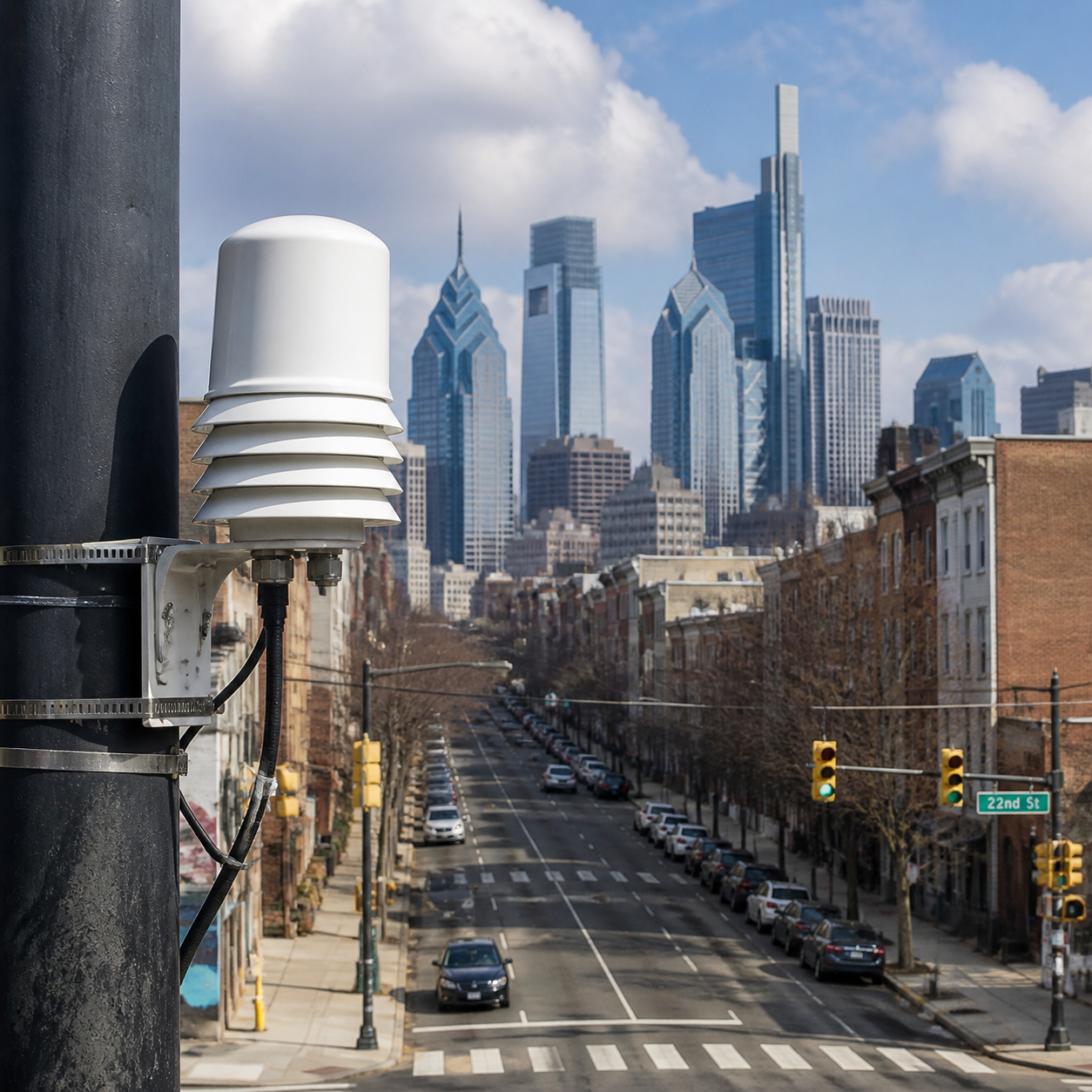
Philadelphia's Breathe Philly initiative, launched by the City of Philadelphia on February 18, 2026, represents a crucial step in addressing urban air pollution and its impact on public health. With air quality becoming a pressing concern in many metropolitan areas, real-time monitoring of pollutants like PM2.5 and ozone is key for timely interventions. The program employs a network of low-cost, high-accuracy sensors distributed throughout the city to gather granular data on air pollution levels, providing residents and policymakers with actionable information.
Engineering Improvements in Monitoring Systems and Data Platforms
At the heart of Breathe Philly is an innovative technological infrastructure combining advanced sensor systems with data collection and processing platforms. Modern environmental sensors used in the program are designed for durability and precision, capable of continuous operation in variable conditions. The integration of these sensors with programmable APIs enables seamless data transmission to centralized dashboards. These dashboards offer customizable visualizations, allowing users to track pollutant levels, identify trends, and set alert thresholds.
Automation and Workflow Optimization for Responsive Air Quality Management
Beyond data collection, Breathe Philly incorporates automation workflows triggered by pollution metric thresholds. For example, when particulate levels rise above safe limits, automated alerts can notify city officials and initiate mitigation protocols, such as adjusting traffic flows or activating air filtration systems in public buildings. This level of automation ensures rapid response and reduces reliance on manual data interpretation, improving overall public safety. Engineering firms like Paw Partners can collaborate to design and implement these complex systems, integrating sensor technology, APIs, and automated workflows to deliver reliable and scalable air quality solutions.
The Role of Engineering Partners in Expanding Environmental Monitoring
Large-scale projects like Breathe Philly demonstrate the need for expertise in designing sensor networks, robust data infrastructures, and automation logic tailored to specific urban environments. Paw Partners is well-positioned to assist municipalities and organizations by providing system integration services, custom API development, and dashboard design. Their experience in engineering automated workflows and smart device integration ensures that environmental monitoring solutions are both effective and maintainable over time.
For many organizations, events like this expose the same architectural weakness: data may exist, but it is not yet connected to a dependable operational process. Without that connection, teams see the issue too late or respond inconsistently across locations.
A practical engineering response should treat City of Philadelphia (.gov) as a signal, not just a news item. The goal is to translate lessons from the event into clearer device telemetry, stronger automation rules, and dashboards that support decisions under real operating conditions.