Understanding the Challenge of Antimicrobial Resistance Surveillance
Antimicrobial resistance (AMR) is recognized globally as a significant threat to public health, with a growing impact on infection control and treatment effectiveness. Recent studies, such as the review published by Cureus in late 2025, have highlighted innovative approaches combining biosensors with artificial intelligence (AI) for real-time detection and surveillance of resistant pathogens. The promise of these technologies lies in enabling faster response, more precise diagnostics, and improved epidemiological tracking, which are essential for global biosecurity efforts.
Technical Requirements for AI-Integrated Biosensor Systems
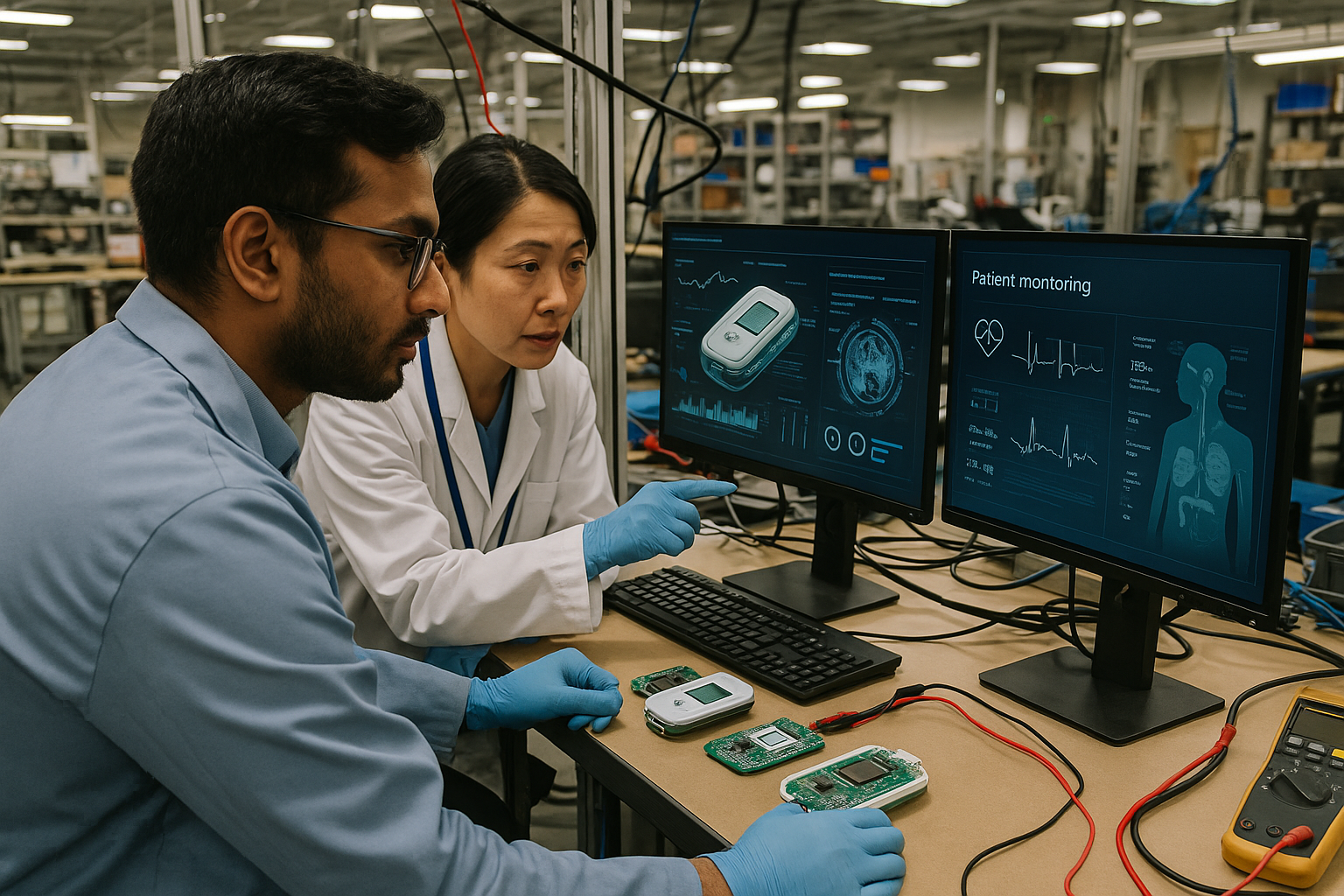
From an engineering perspective, deploying AI-integrated biosensors for AMR entails several critical technical considerations. First and foremost is the integrity and reliability of device-generated data; biosensors must deliver consistent, accurate signals representative of real-world biological markers. Secondly, the software ecosystems incorporating machine learning must be designed with well-structured workflows that optimize data ingestion, preprocessing, feature extraction, and decision-making algorithms. Finally, trustworthy operational platforms that ensure secure data handling, scalability, and regulatory compliance are prerequisites to achieving meaningful and actionable outputs from these systems.
Engineering Best Practices to Deliver Business Value
Translating the capabilities of AI-biosensor integrations into real business value requires an engineering approach centered on practicality and robustness. Inconsistent sensor readings or unreliable data pipelines can compromise AI model reliability, leading to false alarms or missed detections. Therefore, rigorous calibration, validation, and continuous monitoring of hardware components are essential. Software development must prioritize modularity and transparency to facilitate updates as new resistance patterns emerge. Furthermore, operational platforms should integrate with existing healthcare infrastructure seamlessly, supporting data interoperability while maintaining stringent cybersecurity standards.
Incorporating these elements not only improves technical outcomes but also supports stakeholders in healthcare, government, and manufacturing sectors who depend on dependable AMR surveillance to guide interventions and investments.
For many organizations, events like this expose the same architectural weakness: data may exist, but it is not yet connected to a dependable operational process. Without that connection, teams see the issue too late or respond inconsistently across locations.
A practical engineering response should treat Cureus as a signal, not just a news item. The goal is to translate lessons from the event into clearer device telemetry, stronger automation rules, and dashboards that support decisions under real operating conditions.