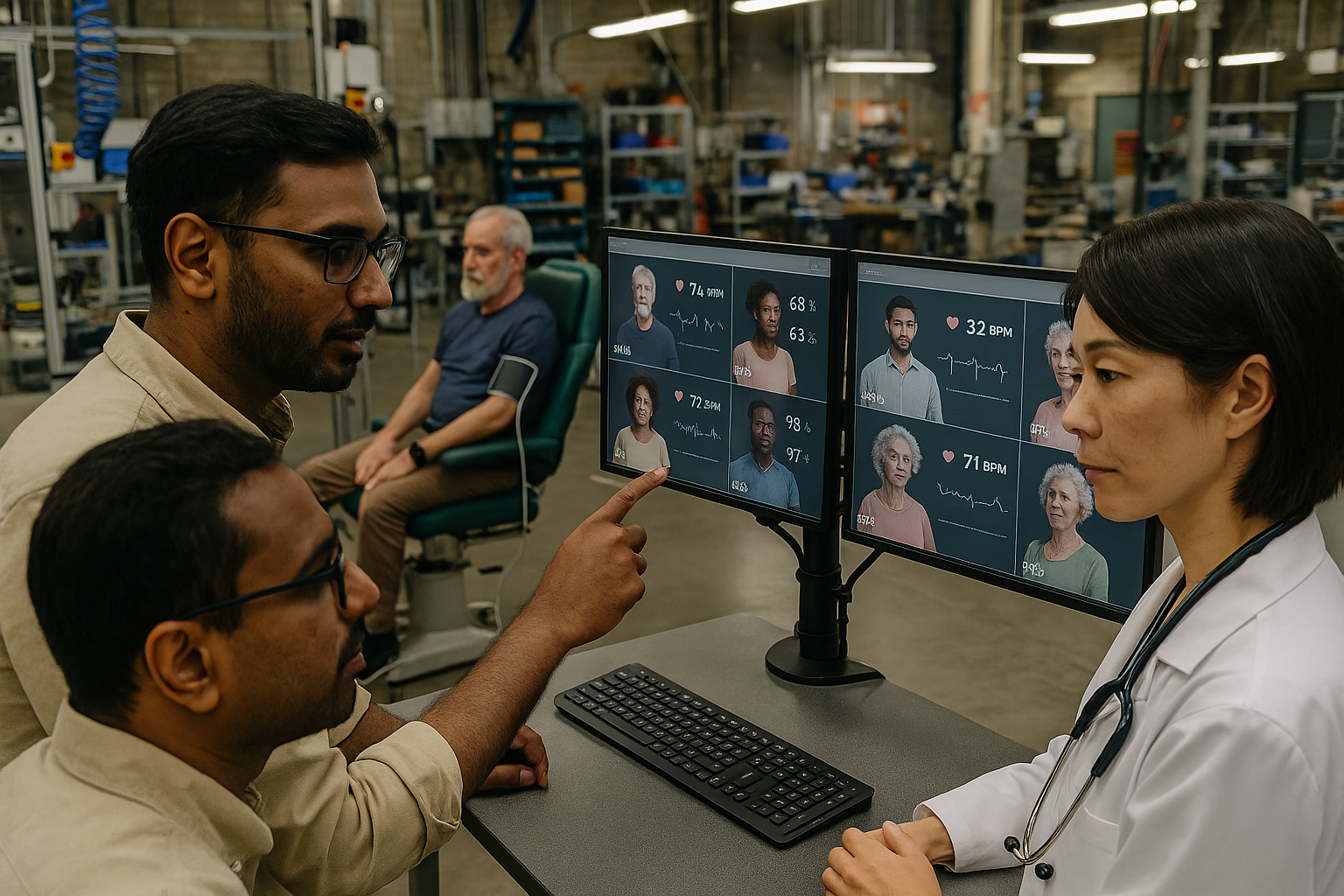
Overview of Australia's Medical Wearables Market Growth
The Australian healthcare sector is experiencing significant transformation through the expanded adoption of medical wearables and remote patient monitoring technologies. With a rising aging population and increased chronic disease prevalence, healthcare providers are prioritizing proactive health management. Medical wearables equipped with AI capabilities enable continuous, real-time health tracking outside conventional clinical environments, improving early detection and personalized preventive care strategies.
Integrating Connected Sensing and Secure Data Flows
Core to the success of wearable medical devices is their integration with connected sensing networks and secure data transmission protocols. These devices continuously collect physiological signals, such as heart rate, glucose levels, or blood pressure, transmitting encrypted data to centralized systems. Ensuring data integrity and patient privacy mandates robust cybersecurity frameworks, including end-to-end encryption and compliance with healthcare regulations. Reliable data flow supports clinical decision-making and reduces risks associated with manual data entry or delayed reporting.
Operational Dashboards for Enhanced Healthcare Visibility and Responsiveness
Operational dashboards serve as a critical interface aggregating wearable data into actionable insights for clinicians and care teams. These real-time visualizations display patient status trends, alert thresholds, and predictive analytics, facilitating timely interventions. By improving visibility into patient health trajectories and operational metrics, healthcare providers can optimize resource allocation, reduce hospital readmissions, and enhance overall care reliability.
Together, these advancements foster a healthcare environment capable of delivering efficient, patient-centered management and timely response, particularly in rural or resource-constrained Australian communities.
For many organizations, events like this expose the same architectural weakness: data may exist, but it is not yet connected to a dependable operational process. Without that connection, teams see the issue too late or respond inconsistently across locations.
A practical engineering response should treat vocal.media as a signal, not just a news item. The goal is to translate lessons from the event into clearer device telemetry, stronger automation rules, and dashboards that support decisions under real operating conditions.