Introduction to AI in Rabbit Husbandry
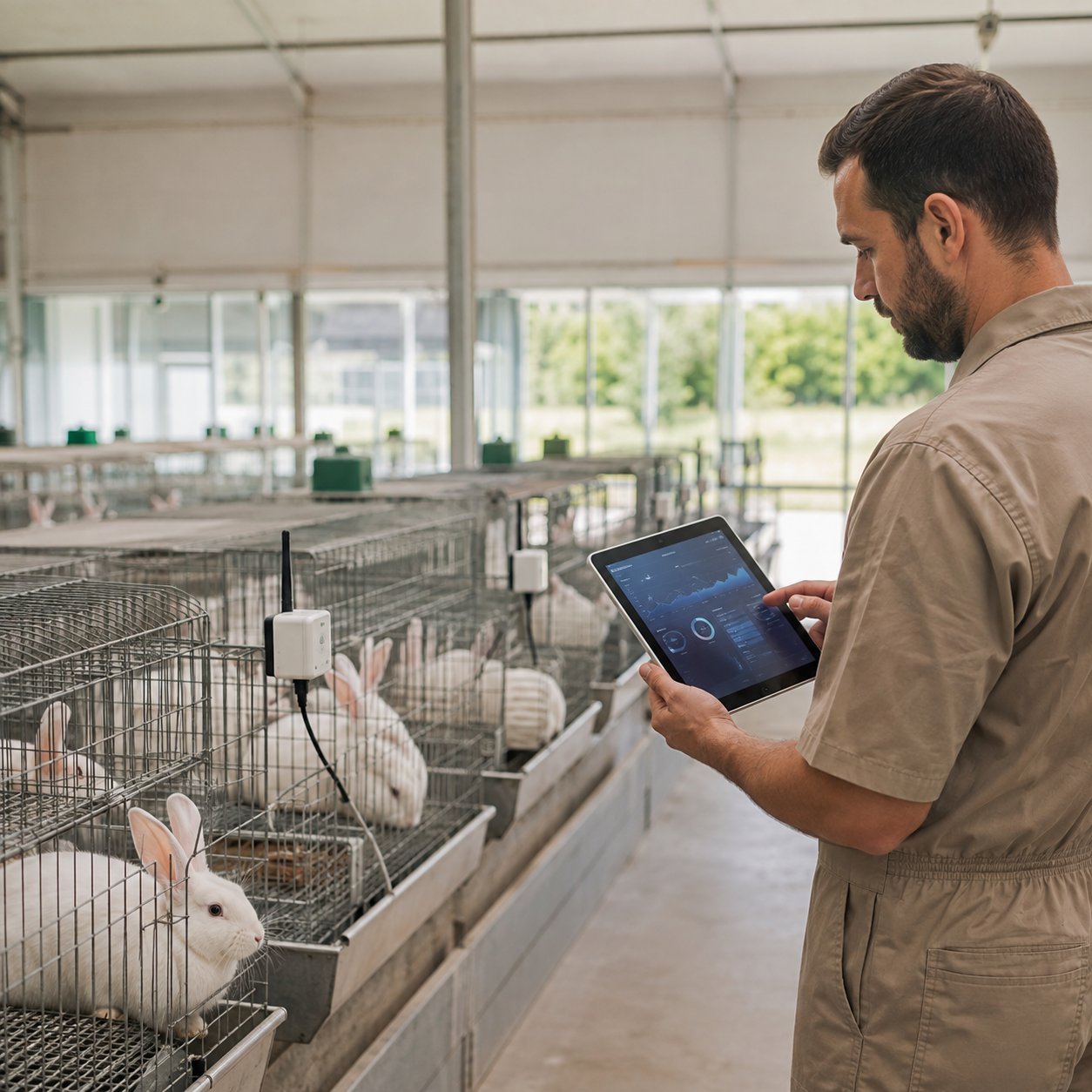
Recent advances in artificial intelligence (AI) have found practical applications in various agricultural sectors, including rabbit husbandry. Traditionally reliant on manual processes, rabbit farming is increasingly adopting AI to improve reproductive monitoring and implement precision farming techniques. This integration aims to enhance animal welfare, optimize resource use, and improve overall farm productivity.
Challenges in Data Acquisition and Management
Effective AI systems depend fundamentally on high-quality, device-generated data. In rabbit husbandry, data sources can include sensors for monitoring reproductive cycles, environmental conditions, and animal behavior. However, inconsistency in sensor accuracy and connectivity issues can compromise data reliability. To address these challenges, engineered solutions require standardized devices and rigorous validation procedures to ensure data integrity is maintained from acquisition through analysis.
Importance of Software Workflows and Operational Platforms
Beyond data collection, software workflows play a crucial role in transforming raw data into actionable insights. Well-designed algorithms must accommodate the unique biological and environmental variables present in rabbit farming. Additionally, operational platforms must be secure, scalable, and user-friendly to support real-world farm deployment. These platforms should also facilitate seamless integration with existing farm management systems, enabling farmers to make informed decisions effectively.
Business Impact and Practical Applications
When AI systems are underpinned by strong data sources, robust software, and reliable platforms, they deliver tangible business value. By automating reproductive monitoring, farms can reduce labor costs and improve breeding success rates. Precision farming techniques informed by AI analytics optimize feed efficiency, environment control, and health monitoring, leading to better resource utilization and animal welfare. This translates into enhanced profitability and sustainability for rabbit farmers.
The Role of Engineering Expertise in Implementing AI Solutions
Implementing these AI-driven advancements in rabbit husbandry requires specialized engineering expertise. Selecting appropriate hardware, designing tailored software workflows, and ensuring secure and stable operational platforms are engineering challenges pivotal to success. Firms like Paw Partners possess the necessary experience to bridge AI technology with agricultural practices, delivering solutions that are both innovative and practical in meeting the demands of modern rabbit farming.