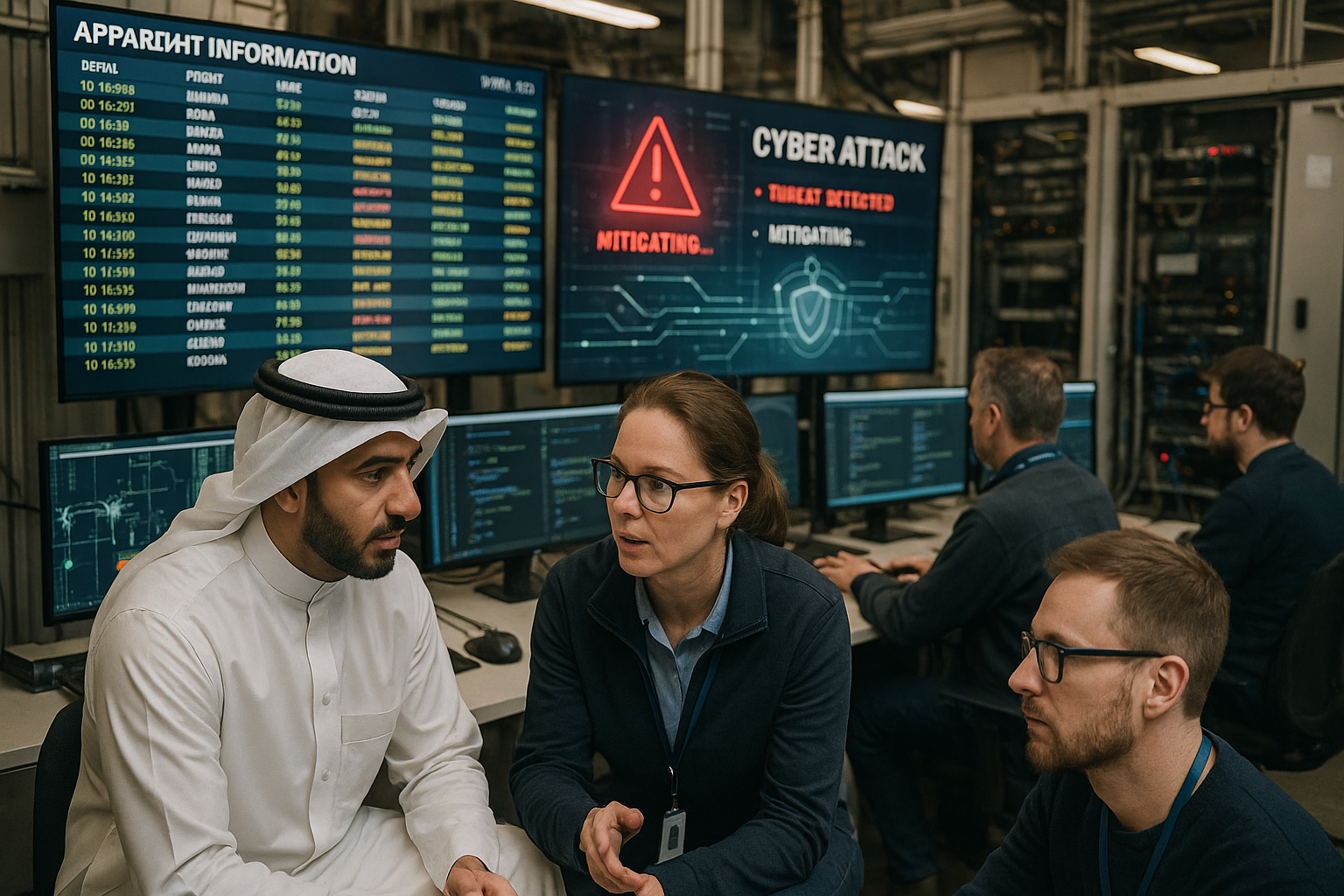
Understanding the Disruptions Caused by Cyberattacks in Aviation
On September 20, 2025, a significant cyberattack targeted Collins Aerospace, a critical supplier of avionics and flight management systems. This incident caused widespread flight disruptions at Heathrow and several other major European airports. The attack exposed how cyber vulnerabilities in complex aerospace supply chains can cascade into large-scale operational breakdowns, affecting thousands of passengers and airline schedules.
The aviation industry relies heavily on interconnected information systems for scheduling, flight control, and communication. When these systems face cyber intrusions, normal workflows break down, leading to delays and safety concerns. The Collins Aerospace incident underscores the need for robust operational resilience mechanisms that can absorb and mitigate such shocks.
Role of Workflow Automation and System Integration in Crisis Management
One practical approach to managing such disruptions involves implementing workflow automation and system integration at the operational level. Workflow automation can streamline repetitive tasks and decision-making processes during an incident, minimizing human error and accelerating response times.
System integration allows disparate aviation systems—including airport operations, airline IT, and air traffic management—to communicate seamlessly. This interoperability ensures that data on the status of flights, personnel, and resources is available in real-time, enabling coordinated actions across stakeholders. During a cyberattack, integrated systems can isolate compromised components while maintaining continuity in unaffected areas.
Leveraging Operational Dashboards for Responsive Decision-Making
Operational dashboards consolidate critical information into intuitive visual interfaces. These dashboards provide management teams with situational awareness, displaying metrics such as flight delays, passenger flow, system health, and incident status. By integrating analytics and alerting features, operational dashboards can prioritize issues and recommend targeted interventions.
In the Collins Aerospace cyberattack, having an up-to-date dashboard could have empowered airport and airline operators to detect anomalies faster, allocate resources efficiently, and communicate timely updates to affected customers and personnel.