Introduction to Market Dynamics and Regulatory Drivers
The automotive and industrial sectors are witnessing significant changes due to stringent emission regulations, particularly the Euro 7 standards and Real Driving Emissions (RDE) testing mandates set to evolve through 2035. Compliance with these regulations requires advanced exhaust sensor technologies capable of precise, real-time emission monitoring and reporting under diverse operating conditions.
According to recent market analyses, including insights from IndexBox, these regulatory frameworks form the primary drivers behind the growing demand for robust exhaust sensor solutions globally. Such sensors enhance the accuracy of emission measurements and support compliant vehicle operation without compromising performance.
Role of Telemetry and Monitoring Platforms in Emission Compliance
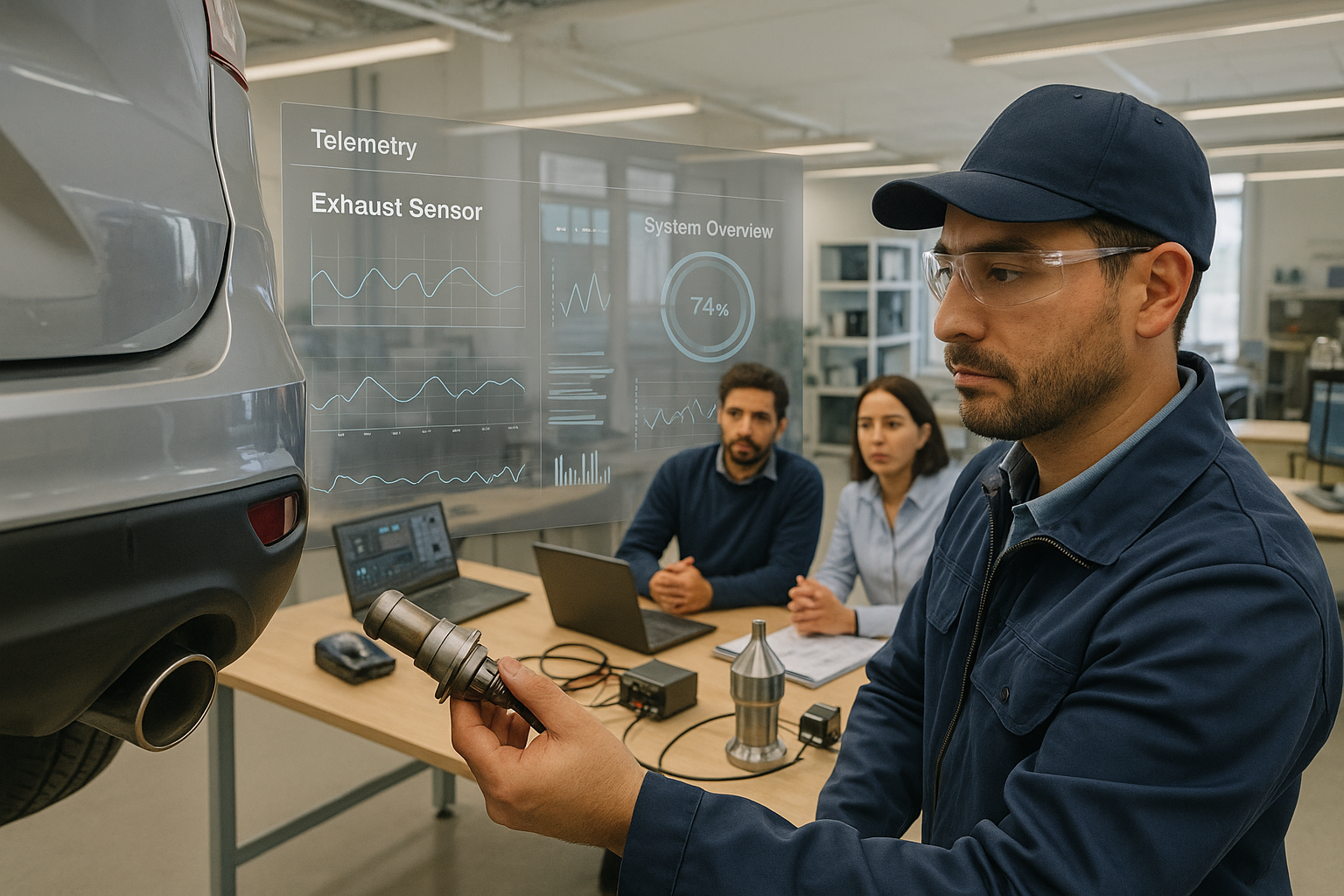
Incorporating device telemetry and integrated monitoring platforms has become critical for engineering teams managing fleets or industrial systems subject to emission standards. Telemetry systems collect and transmit sensor data in real time, enabling continuous insight into exhaust system performance and emission levels.
Monitoring platforms aggregate this telemetry data to facilitate condition assessment and trend analysis. This data-driven approach allows early detection of sensor anomalies or performance degradation, which are essential for maintaining compliance with Euro 7 and RDE requirements. Additionally, these systems can automate health alerts to operations personnel, prompting preventive maintenance and minimizing unexpected downtime.
Reducing Downtime and Enhancing Field Operations
Minimizing operational interruptions is a key business goal within environments regulated by emissions standards. Downtime not only impacts productivity but also risks regulatory non-compliance when emission sensors fail unnoticed. A telemetry-enabled monitoring infrastructure that proactively manages sensor health can significantly reduce downtime.
Such systems empower field engineers with actionable data, facilitating informed decision-making about sensor maintenance schedules and replacements. Consequently, engineering organizations can optimize resource allocation, extend sensor lifespans, and ensure consistent adherence to evolving emission regulations.
For businesses navigating the expanding exhaust sensor market underpinned by Euro 7 and RDE mandates, embracing telemetry and monitoring technologies translates into competitive operational advantages.