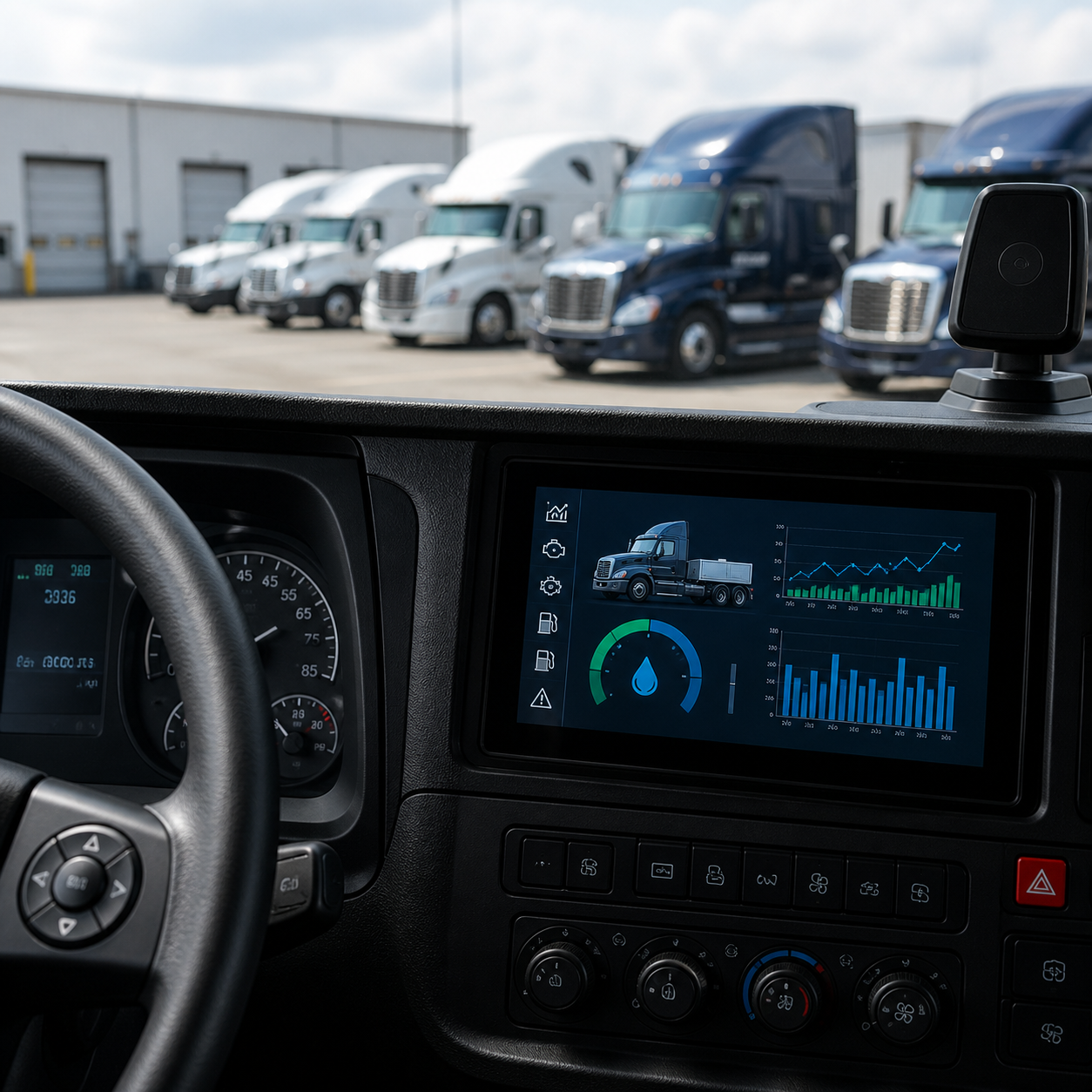
Understanding the EPA's Revision to DEF Sensor Requirements
On March 30, 2026, the Environmental Protection Agency (EPA) officially rescinded the mandatory requirements for Diesel Exhaust Fluid (DEF) sensors in heavy-duty trucks. This policy adjustment responds to industry feedback regarding sensor reliability and compliance costs. While this lifts a regulatory obligation, trucking fleets face new operational challenges in maintaining emissions standards and vehicle health without these mandated sensors.
The change demands fleet operators to rethink how they monitor DEF levels and vehicle emissions. Without standardized sensor requirements, relying solely on traditional instrumentation risks increased downtime due to unexpected DEF depletion or emissions-related faults.
Leveraging Device Telemetry to Mitigate Operational Risks
The removal of mandated DEF sensors does not eliminate the need to track DEF quality and usage. Instead, it shifts responsibility toward implementing comprehensive device telemetry systems capable of capturing real-time data across multiple vehicle parameters, including DEF tank levels, temperature, and injector functionality.
By integrating connected sensors and advanced telematics hardware, fleets can continuously monitor engine performance indicators related to DEF efficacy. This granular visibility allows early detection of anomalies before they escalate into operational disruptions or regulatory non-compliance events.
How Monitoring Platforms and Health Alerts Enhance Field Operations
Advanced monitoring platforms collect and analyze telemetry data across entire truck fleets, delivering actionable insights through customizable dashboards. These systems can generate health alerts targeting maintenance teams when DEF levels reach thresholds, or when engine diagnostics signal potential issues.
Such proactive alerting reduces unplanned downtime by scheduling timely maintenance and prevents costly emissions violations. Additionally, sustained monitoring supports data-driven decisions to optimize DEF usage and improve fuel efficiency, directly impacting operational efficiency and costs.
Ultimately, the shift away from mandated DEF sensors underscores the growing importance of robust telematics ecosystems that provide comprehensive vehicle health management rather than relying on individual sensor data points.