Understanding the Digital Tattoos Market Expansion
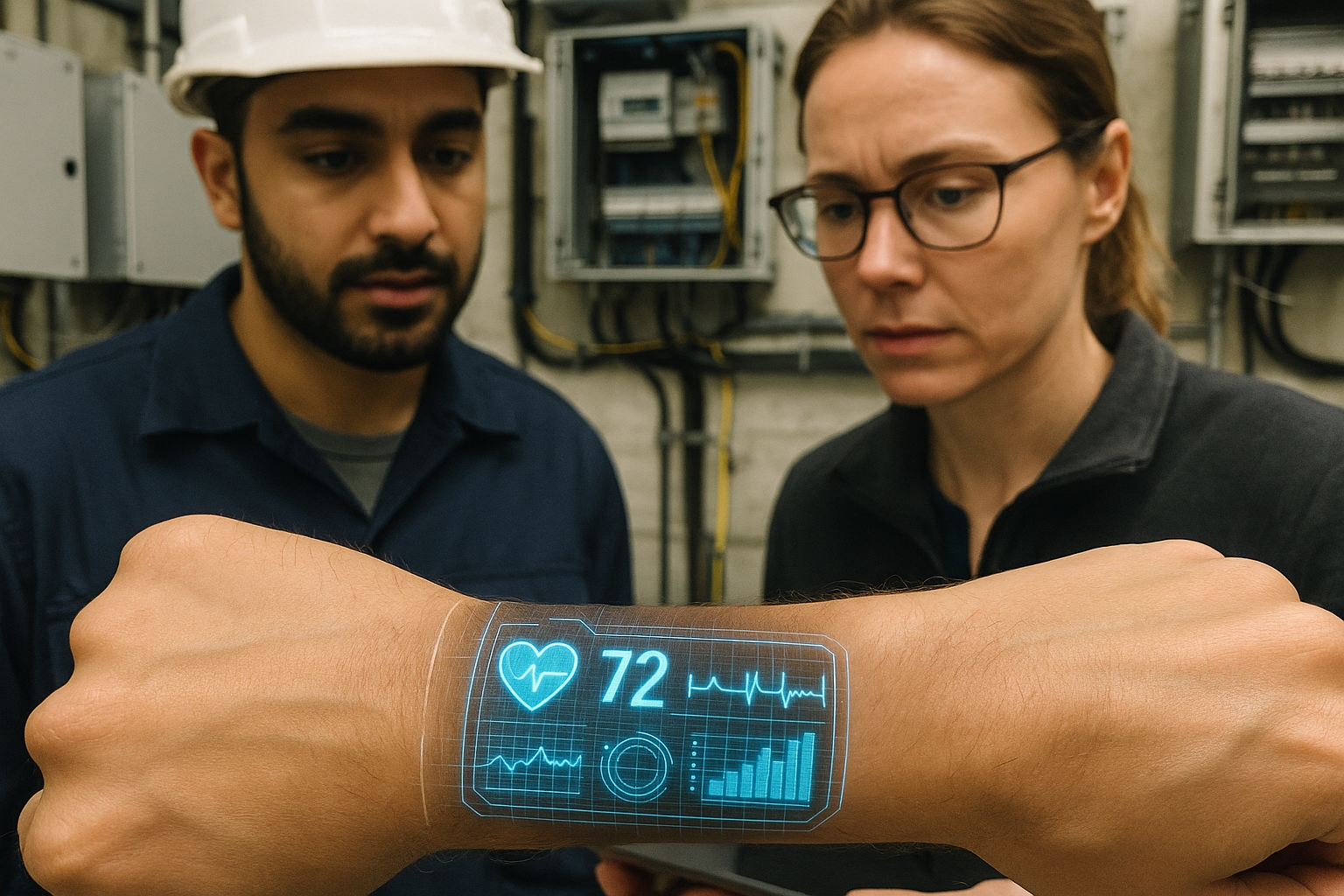
According to the Fact.MR report dated March 23, 2026, the digital tattoos market is expected to experience substantial growth leading up to 2036. These tattoos, embedded with electronic components, hold promise for healthcare monitoring, personal identification, and wearable computing. As the market expands, the engineering challenges and opportunities related to system integration, data handling, and reliability become critical areas for stakeholders.
Engineering Imperatives: Monitoring and Device Systems
One key practical challenge in digital tattoos lies in creating robust monitoring systems capable of continuous, reliable data acquisition from the embedded sensors. This requires advanced device designs that ensure skin compatibility, energy efficiency, and secure wireless communication. Engineering firms must adopt multidisciplinary approaches combining materials science, embedded electronics, and signal processing to deliver dependable wearable platforms that operate seamlessly in real-world conditions.
APIs, Dashboards, and Automation Workflows for Scalable Solutions
Beyond hardware, scalable digital tattoo solutions demand well-architected APIs to interface sensor data with end-user applications and healthcare platforms. Customizable dashboards enable meaningful visualization of real-time metrics for users and clinicians alike. Automation workflows that process incoming data streams and trigger alerts or interventions are essential for proactive health management. Developing these software and system integration elements with modularity and security in mind positions companies to respond agilely to evolving market needs.
Preparing for Market Realities and Integration Challenges
The anticipated surge in digital tattoo adoption also entails addressing regulatory compliance, interoperability standards, and privacy considerations. Engineering teams must work closely with legal, clinical, and design experts to ensure that their solutions meet the rigorous requirements inherent in biomedical applications. This holistic approach validates the technology and facilitates smoother paths to market.
The Path Forward for Engineering Partners in the Digital Tattoos Landscape
As the Fact.MR forecast outlines, digital tattoos are moving from concept to mainstream application, driven by technological maturation and demand for personalized health insights. Engineers focusing on wearable electronics and connected health devices must prioritize integrative, scalable solutions that blend robust hardware with intuitive software systems. Creating such cohesive platforms is fundamental to unlocking the full potential of digital tattoos while addressing practical implementation challenges.