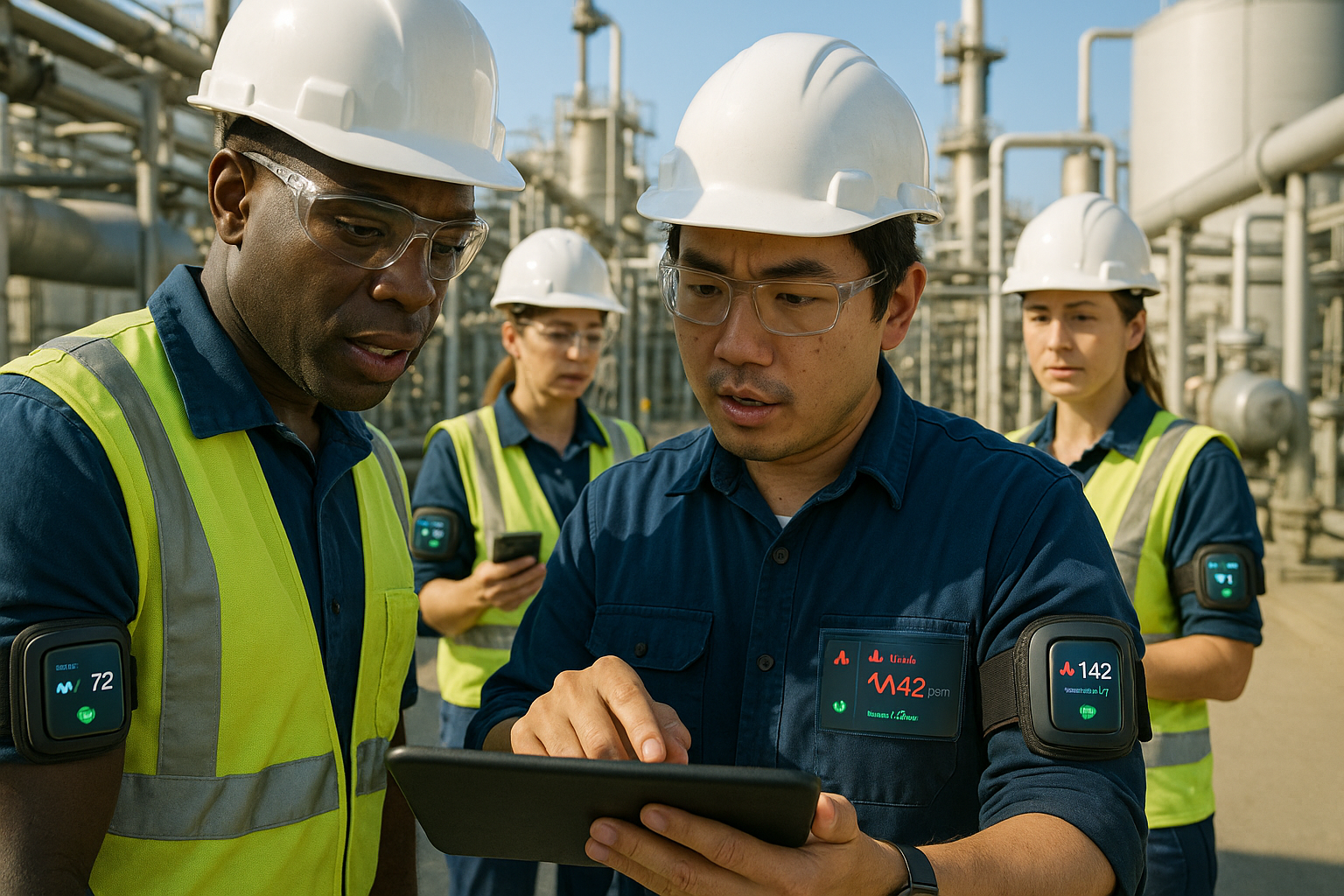
Growth of Wearable Health Devices in the GCC Region
According to Medical Buyer, the market for wearable health devices in the Gulf Cooperation Council (GCC) region is projected to surpass USD 3.12 billion by 2026. This growth is driven by increased investments in healthcare technology, rising awareness about preventive health, and the integration of Internet of Things (IoT) capabilities into wearable devices. The adoption of these devices extends beyond healthcare providers to industries that rely heavily on field operations, including engineering sectors.
Role of Device Telemetry and Health Monitoring Platforms
One of the key features enhancing the practical use of wearable health devices is device telemetry – the automated communication processes by which data is collected and transmitted for monitoring and analysis. In industries involving fieldwork, telemetry enables real-time tracking of vital signs, location, and activity levels of personnel. Health monitoring platforms aggregate this data, providing centralized dashboards and analytics that support proactive management of workforce well-being.
Reducing Downtime Through Health Alerts for Field Operations
Integrating health alerts through wearable devices helps engineering companies mitigate operational risks associated with worker health incidents. Alerts can trigger immediate responses to conditions such as heat stress, fatigue, or cardiac irregularities, reducing the likelihood of accidents or productivity loss. Consequently, this proactive approach minimizes downtime by maintaining healthier, alert field personnel capable of sustained performance.
Furthermore, these platforms facilitate compliance with occupational safety regulations and support data-driven decision-making regarding workforce deployment and workload management in challenging environments common in the GCC region.
For many organizations, events like this expose the same architectural weakness: data may exist, but it is not yet connected to a dependable operational process. Without that connection, teams see the issue too late or respond inconsistently across locations.
A practical engineering response should treat Medical Buyer as a signal, not just a news item. The goal is to translate lessons from the event into clearer device telemetry, stronger automation rules, and dashboards that support decisions under real operating conditions.