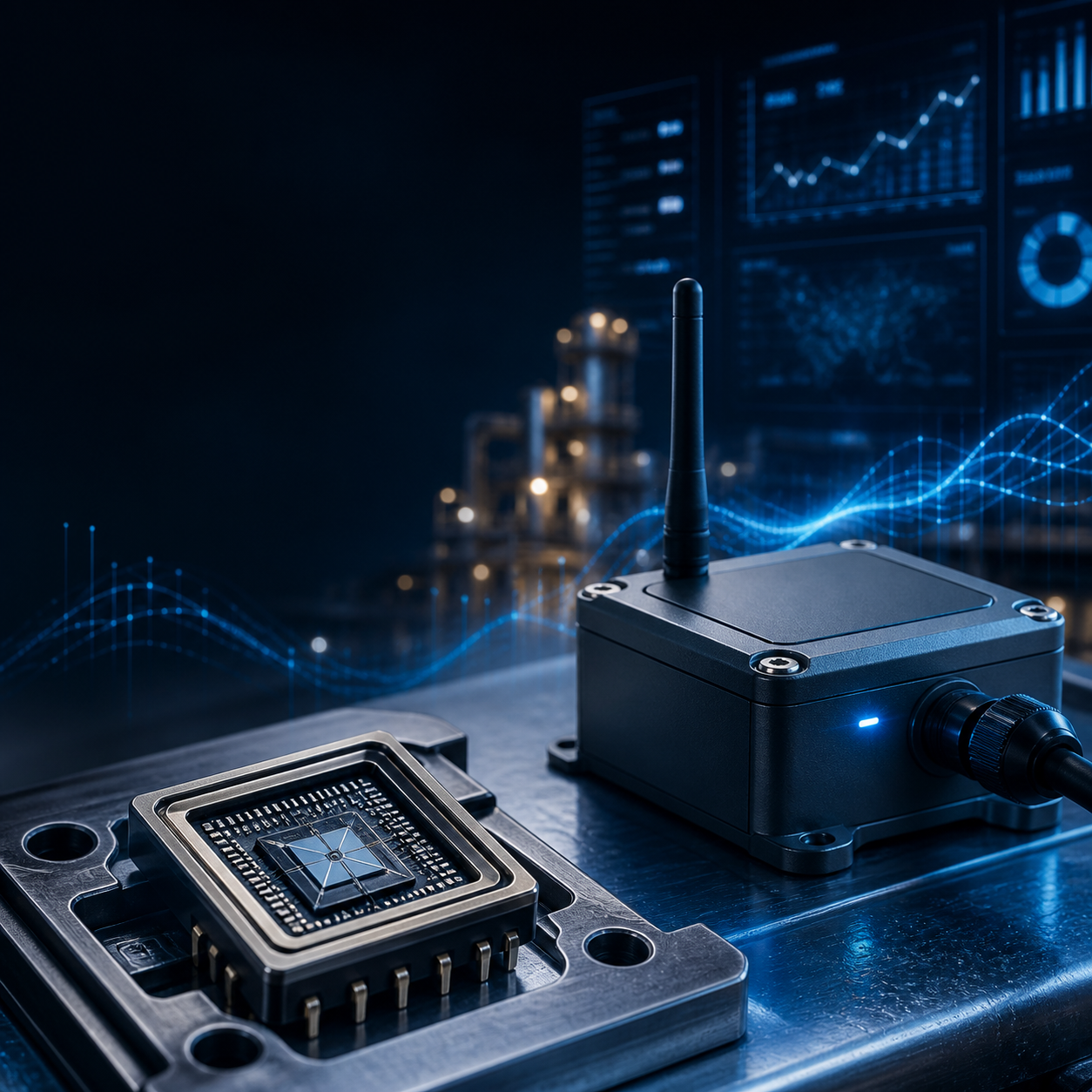
The Evolution of MEMS and Sensor Technologies Highlighted at MSEC 2026
The upcoming MSEC 2026 event is set to showcase groundbreaking advancements in micro-electromechanical systems (MEMS) and sensor technologies. These innovations are not merely incremental improvements but feature extensive integration with digital telemetry systems, enhancing the capabilities of sensors used in various industrial and engineering contexts. From compact, low-power sensors to integrated systems capable of real-time data analytics, the developments aim to meet growing demands for precision and reliability in critical infrastructure and industrial equipment.
Impact on Device Telemetry and Monitoring Platforms
One of the critical outcomes of the next-generation MEMS and sensor innovations is the improvement in device telemetry— the automated communications process that remotely collects and transmits data from devices. Enhanced sensors provide higher-resolution data, enabling monitoring platforms to detect subtle shifts in device operations faster and more accurately. This real-time insight is crucial for early fault detection and predictive maintenance strategies, which can significantly decrease downtime and maintenance costs. Furthermore, these improved telemetry systems support scalable cloud integration, allowing organizations to manage vast sensor networks effectively.
Health Alerts and Reducing Downtime in Field Operations
Incorporating advanced health alert systems based on these new sensors transforms traditional maintenance routines. Instead of scheduled servicing, which can be inefficient, the alerts provide condition-based notifications, allowing field teams to prioritize urgent issues without unnecessary intervention. This smart alerting reduces unexpected failures and optimizes the allocation of maintenance resources. Ultimately, such systems improve operational continuity and asset lifespan, key considerations for engineering companies managing extensive infrastructure or critical machinery.
The integration of these advanced sensor and telemetry technologies presents both opportunities and complexities for engineering companies aiming to implement them effectively. There are challenges related to system compatibility, data security, and the need for specialized analytics tools to interpret the large volume of data generated. Addressing these areas requires sector-specific expertise to tailor solutions that align with organizational needs.
For many organizations, events like this expose the same architectural weakness: data may exist, but it is not yet connected to a dependable operational process. Without that connection, teams see the issue too late or respond inconsistently across locations.
A practical engineering response should treat eeNews Europe as a signal, not just a news item. The goal is to translate lessons from the event into clearer device telemetry, stronger automation rules, and dashboards that support decisions under real operating conditions.