Introduction to Wearable Monitors in Hospital Settings
On March 11, 2026, Modern Healthcare highlighted the growing role of wearable monitors in revolutionizing hospital patient care. These devices capture continuous physiological data, providing clinicians with timely insights into patient status beyond traditional spot checks. As hospitals adopt these technologies, they face challenges in integrating wearable data with existing clinical workflows and electronic health records (EHRs).
Enhancing Monitoring Through Systems Integration
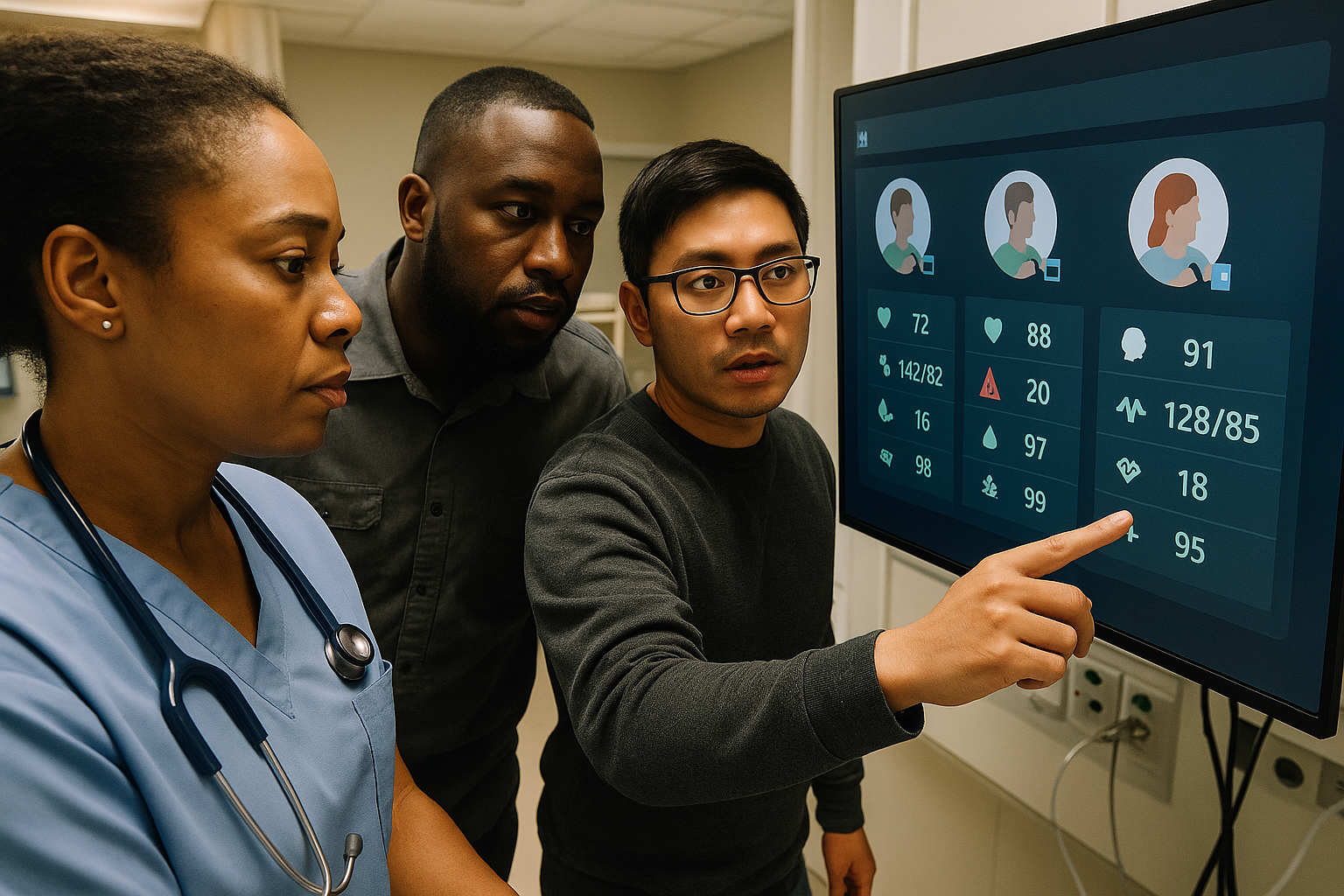
Wearable devices generate large volumes of data that must be effectively captured, transmitted, and interpreted. Using standardized APIs and interoperable device systems allows seamless communication between wearables and hospital information systems. By integrating wearable data into centralized dashboards, care teams can monitor patients’ vital signs and trends in near real-time, supporting faster clinical decision-making and early intervention.
Automation and Workflow Improvements
Automation workflows triggered by wearable data alerts enable hospitals to streamline responses to patient condition changes. For example, predefined thresholds in heart rate or oxygen saturation can automatically notify nursing staff or prompt diagnostic testing orders. This reduces manual monitoring burdens and can improve patient outcomes by shortening reaction times to critical events.
Implementing these automated workflows requires robust engineering expertise to ensure reliability, security, and user-friendly interfaces that complement clinical practice.
The Role of Paw Partners in Supporting Healthcare Technology Advances
Paw Partners offers practical engineering support for hospitals and healthcare providers aiming to deploy wearable monitoring solutions effectively. Their expertise includes developing and integrating device systems, designing custom APIs for data exchange, creating intuitive monitoring dashboards, and building automation workflows tailored to clinical needs. By partnering with seasoned engineers, healthcare organizations can overcome technical hurdles and focus on delivering enhanced patient care.