Introduction to IT Automation Trends in 2026
In March 2026, AIMultiple published a comprehensive list of over 70 IT automation use cases demonstrating the critical role automation is playing across industries. As businesses face growing complexity in their IT ecosystems, automation has become a practical tool for improving service delivery, reducing manual errors, and enhancing operational efficiency.
These use cases provide insight into how companies can implement automation to manage increasingly complex device systems, optimize monitoring processes, and streamline workflows among disparate platforms.
Automation in System Monitoring and Device Management
One of the most impactful areas highlighted in the AIMultiple report is the automation of system monitoring and device management. Automatic detection of anomalies, real-time alerting, and self-healing systems are key use cases that reduce downtime and manual intervention. By implementing automated scripts and monitoring tools, businesses can maintain system stability while focusing on strategic priorities.
Automation also plays a significant role in managing device lifecycles—activating, configuring, updating, and decommissioning hardware and software components with minimal human input, improving consistency and reducing risks.
API Integration and Dashboard Automation
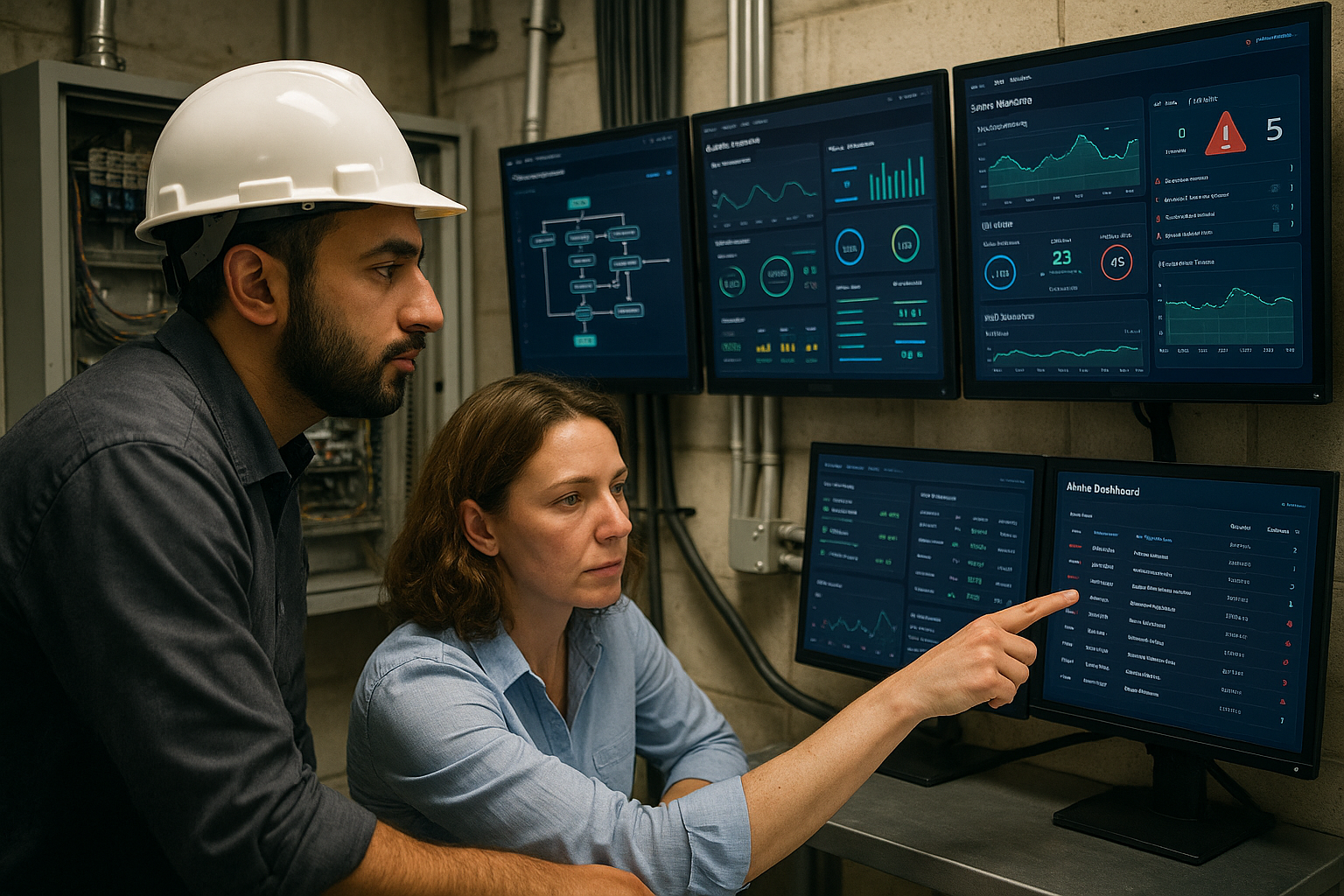
The report emphasizes the growing importance of API-driven automation to connect disparate systems seamlessly. Automating API integrations allows organizations to aggregate data from multiple sources into centralized dashboards, providing real-time visibility for decision-makers. These dashboards enable efficient tracking of KPIs and service performance without manual data gathering.
Automated dashboard updates free teams from redundant data entry, allowing them to identify issues faster and respond proactively. This operational transparency supports better planning and resource allocation.
Benefits of Automation Workflows and Next Steps
Well-designed automation workflows orchestrate multiple systems and processes into coherent sequences, reducing manual task switching and ensuring consistent execution. For businesses managing complex IT environments, these workflows support compliance, accelerate incident resolution, and improve customer service responsiveness.
As automation use cases continue to evolve, companies must assess existing gaps in their IT operations and tailor automation initiatives accordingly. Strategic implementation can yield measurable improvements in productivity, reliability, and cost management.