Introduction to Galileo System's Evolution
On March 30, 2026, GMV was announced as the lead contractor for a new European Space Agency (ESA) contract focused on the continued evolution of the Galileo satellite navigation system. This project involves updating and enhancing various system components to improve operational reliability, data accuracy, and overall system efficiency. Such contracts underscore the increasing demand for advanced engineering methods and practical solutions that better connect system components with intuitive monitoring and control capabilities.
Improvements in Monitoring and Device Systems
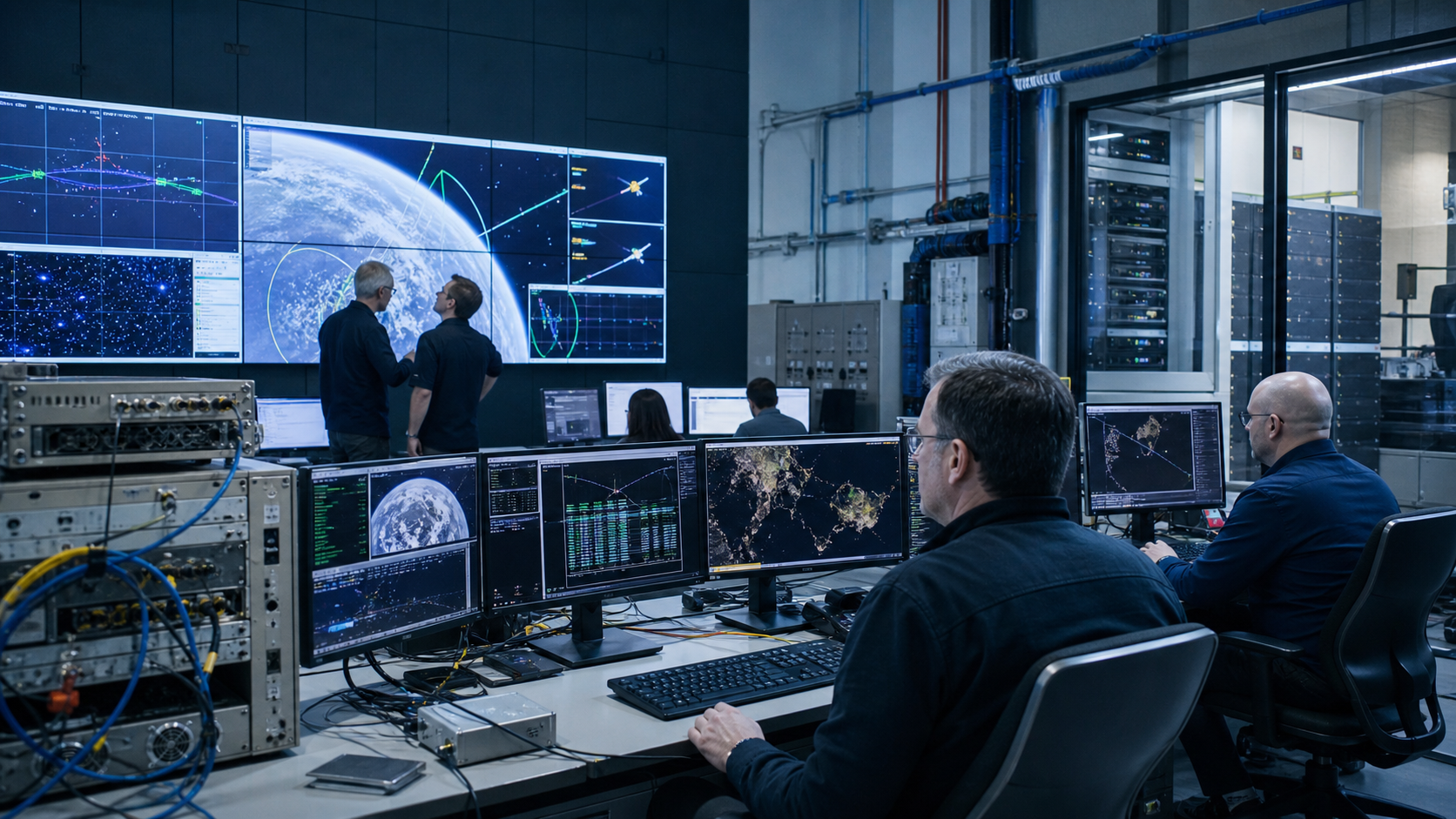
A critical aspect of Galileo’s evolution involves upgrading the monitoring infrastructure that supports satellite operations and ground stations. Enhanced monitoring tools facilitate real-time tracking of satellite status and environmental variables, enabling timely fault detection and mitigation. By integrating modern device systems and sensors with these monitoring frameworks, operators gain improved visibility into system health, empowering proactive maintenance and minimizing downtime.
Role of APIs, Dashboards, and Automation Workflows
Effective satellite system management increasingly depends on seamless data flow and automation. The project emphasizes building robust Application Programming Interfaces (APIs) that enable interoperability between disparate subsystems and external applications. Additionally, redesigned dashboards offer accessible visualizations, metric tracking, and control panels, fostering informed decision-making. Automation workflows streamline repetitive tasks such as data processing, alerts, and system updates, leading to enhanced operational efficiency and reduced human error.
Practical Business Impact for Satellite Operations
For engineering firms and operators involved in satellite navigation systems, the advancements in Galileo’s monitoring and integration showcase practical approaches to system evolution. Implementing reliable device systems, well-architected APIs, and user-centric dashboards can significantly improve system operability. Furthermore, automation workflows reduce operational costs while increasing responsiveness to technical issues and environmental changes.
Conclusion
GMV’s leadership in the ESA contract for evolving Galileo illustrates the synergy of advanced engineering with practical system improvements. Satellite navigation programs facing challenges in monitoring, device communication, and workflow automation can look toward these developments as a model. Paw Partners offers expertise in designing and deploying scalable monitoring architectures, customized API integrations, interactive dashboards, and automation solutions tailored for complex satellite and geospatial projects—helping enterprises implement these practical enhancements efficiently.