Introduction to Wearable Medical Technology
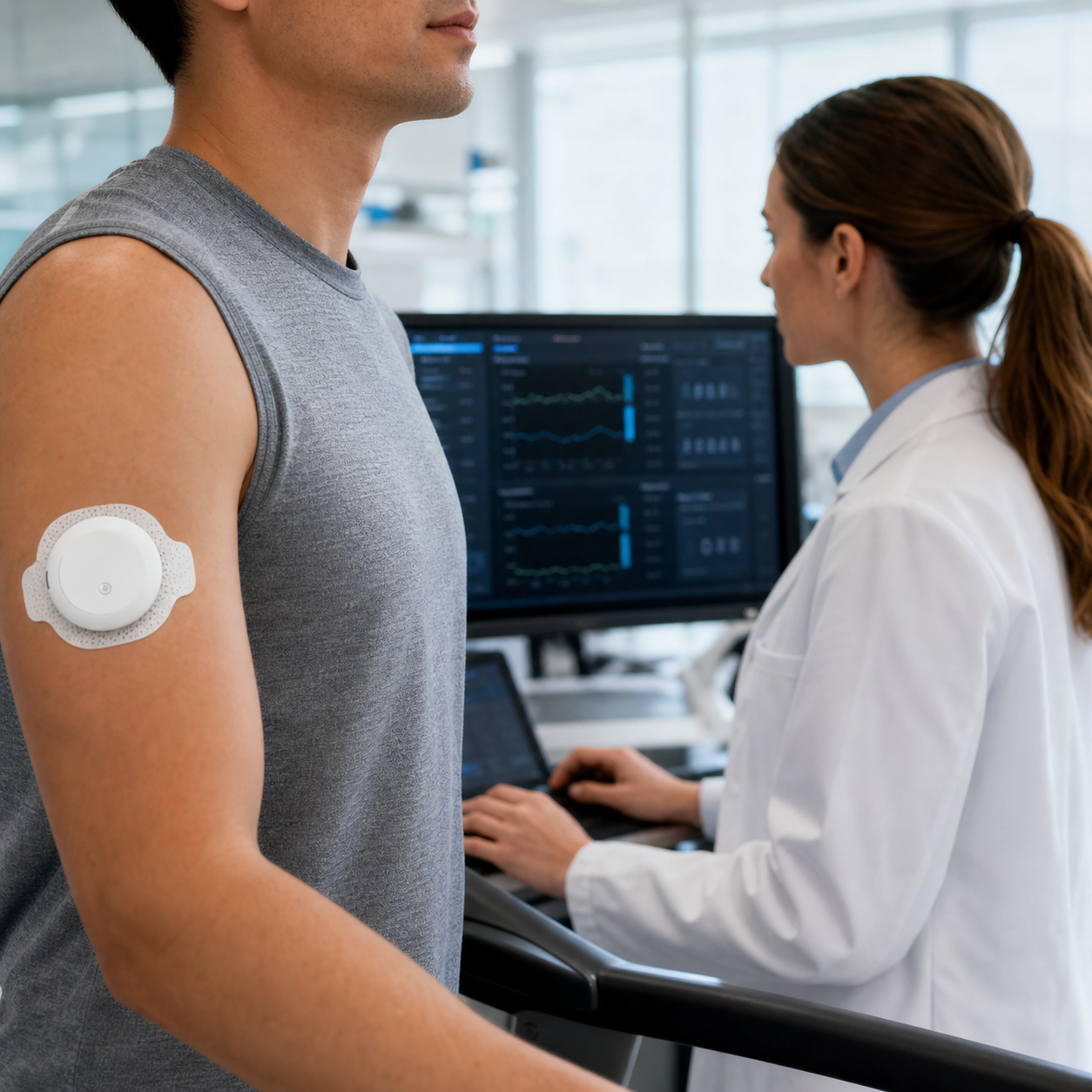
Wearable medical technology has become a cornerstone of modern healthcare innovation, influencing how medical devices are designed, deployed, and managed. Incorporating sensors and connectivity into wearable devices enables continuous health monitoring, offering valuable data streams that can be analyzed in real time. This technological evolution supports improved patient care through enhanced device reliability and proactive health management.
Connected Sensing and Secure Data Flows
A critical feature of wearable medtech is its integration of connected sensing technologies. These sensors collect diverse physiological data points, such as heart rate, blood oxygen levels, and movement metrics. However, the utility of this data hinges on secure transmission to healthcare providers and analytics platforms. Ensuring secure data flows protects patient privacy, maintains compliance with healthcare regulations, and prevents interruptions caused by security vulnerabilities.
Operational Dashboards Enhancing Healthcare Visibility and Response
Operational dashboards aggregate data from wearable devices into actionable insights for medical professionals and healthcare administrators. These dashboards deliver real-time visibility into patient status and device performance. By enabling rapid recognition of anomalies and trends, healthcare teams can respond swiftly to emerging issues, improving patient outcomes and optimizing operational efficiencies within healthcare environments.
Case Example: Integration Challenges and Solutions
Recent industry analyses highlight challenges in integrating wearable devices seamlessly into existing healthcare IT infrastructures. These challenges include interoperability complications, data standardization hurdles, and maintaining end-to-end security. Addressing these issues requires a comprehensive approach combining engineering expertise with regulatory knowledge to design devices and systems that are robust, interoperable, and compliant.
Conclusion: Partnering with Experts for Effective Medical Device Development
As the complexity of wearable medical technology grows, developing devices that reliably integrate connected sensing, secure data flows, and operational dashboards becomes essential. Paw Partners offers practical engineering solutions that address these challenges head-on. Leveraging deep expertise in medical device development, Paw Partners helps healthcare organizations implement wearable technologies that enhance reliability, visibility, and response capabilities, ultimately improving patient care.
Source: Today's Medical Developments