On June 19, 2026, Kalkine Media published a market note titled Penumbra (NYSE:PEN) Medical Device Mid Caps Stay In Focus. The piece grouped Penumbra with other healthcare names, including DexCom and Repligen, and framed the discussion around medical device and life-science mid caps that continue to attract attention in a cautious market environment.
The source describes Penumbra as a medical technology company focused on vascular and neurological treatment devices. That framing matters because it places the company in a category where engineering quality, procedural reliability, and clinician trust are central to product adoption. In healthcare technology, the difference between a product that is merely functional and one that performs consistently in demanding settings is often the difference between growth and stagnation.
The broader message of the article is not only about market sentiment. It is about why healthcare businesses remain visible when other sectors look uncertain: demand for treatment, monitoring, and research does not disappear with macro volatility. That creates a practical engineering problem for device makers and the systems around them, from product design and manufacturing to data capture, clinical visibility, and post-deployment support.
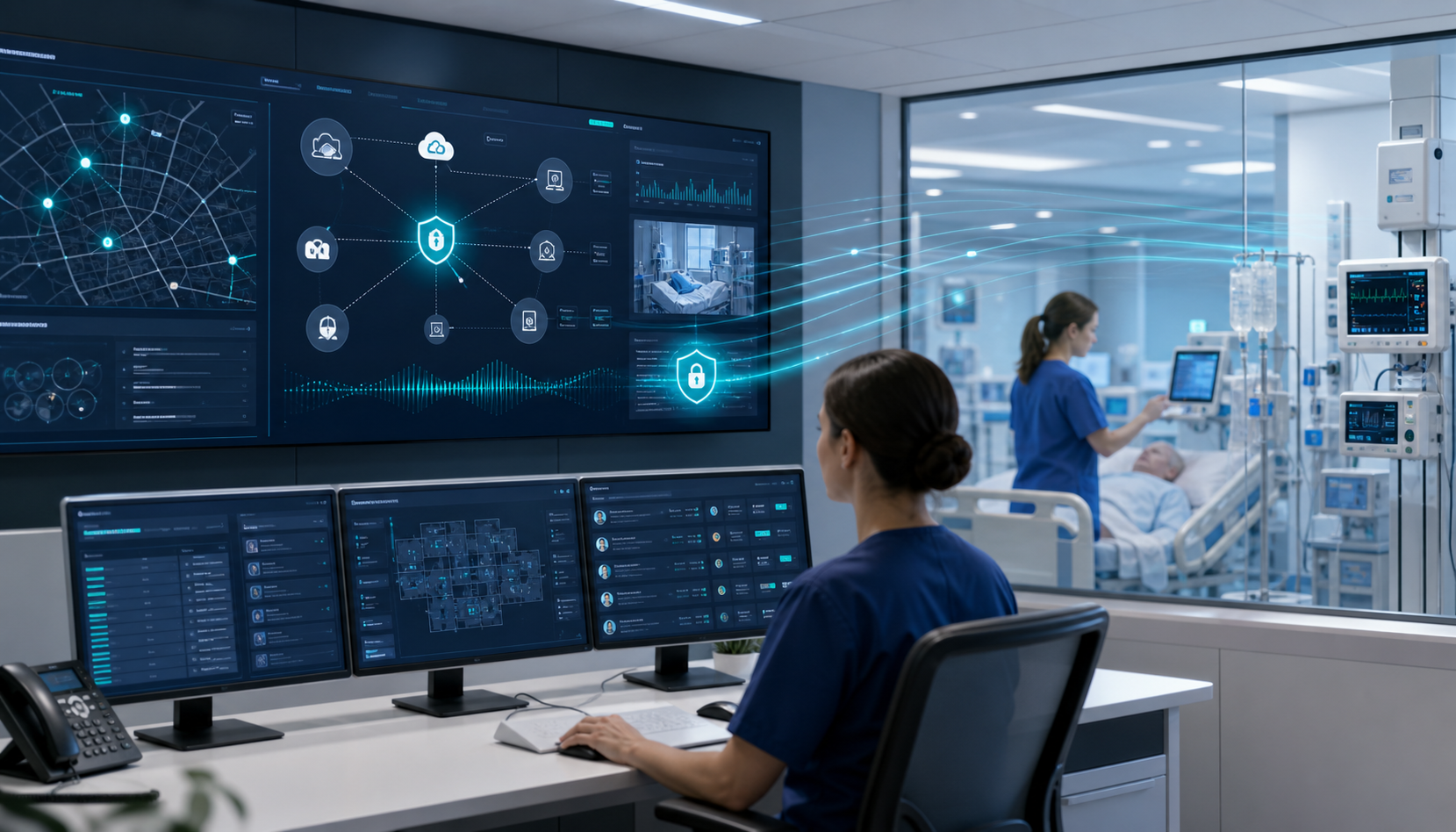
For Paw Partners, this is a familiar operating pattern. Whether a healthcare organization is deploying connected devices, tracking equipment state, or coordinating operational response, the same requirements apply: secure data flows, dependable software systems, actionable dashboards, and workflows that keep clinicians and operations teams aligned.
Why the Sector Stayed in Focus
The Kalkine piece centers on a simple but durable point: medical device and life-science mid caps stay relevant because the underlying demand is resilient. Hospitals, clinics, patients, and research organizations still need treatment tools, monitoring systems, and production inputs even when the market becomes selective.
That resilience is important for operators because it changes how technology investments are judged. In a resilient segment, the market rewards systems that reduce friction, increase throughput, and minimize failure points. A device or platform that improves visibility into usage, status, or exceptions can have an outsized operational impact.
Penumbra’s position in vascular and neurological treatment devices makes it part of this broader reliability conversation. In clinical settings, device performance is not an abstract feature. It is a direct operational requirement that affects procedure flow, staff confidence, and the consistency of patient care.
For healthcare organizations, that means the technical bar is high. Systems have to work in real time, integrate cleanly with existing processes, and provide enough information for teams to respond before small issues become operational disruptions.
What the Source Reveals About Engineering Priorities
The source also highlights a wider trend in medical technology: products are becoming more connected, more data-driven, and more dependent on software support. DexCom’s continuous glucose monitoring systems are a clear example of that shift, where sensing, connectivity, and data interpretation are part of the product value itself.
That pattern is useful beyond diabetes care. It shows why modern healthcare engineering cannot stop at the hardware layer. Device performance must be paired with stable software, reliable telemetry, and clean data handling so that teams can trust the information they receive.
This is where connected-device architecture becomes business-critical. If a healthcare platform cannot capture device events accurately or present them clearly to operators, then the organization loses time, confidence, and sometimes clinical efficiency. The best systems reduce that gap by turning raw device signals into operational insight.
Paw Partners’ work around electronic prototyping and connected device platforms aligns with that need. Strong prototypes are not just early product samples; they are the foundation for validating sensing, communication, user workflows, and downstream analytics before full deployment.
Operational Implications for Healthcare Teams
The article’s cautionary market backdrop is also relevant operationally. When budgets are scrutinized, healthcare organizations tend to favor systems that reduce maintenance burden and make response faster. That pushes attention toward tools with clear dashboards, predictable integration paths, and low-friction support workflows.
In practice, this means device programs need more than technical performance. They need operational reliability: clear status reporting, exception handling, auditability, and role-based visibility for different teams. Those are the capabilities that help organizations maintain service levels without adding unnecessary complexity.
Secure data flow is another requirement that cannot be treated as optional. Healthcare environments handle sensitive information and depend on accurate records. A connected platform must therefore protect data in transit and at rest, while still keeping the information usable for staff who need to act quickly.
Automation can strengthen this model when it is implemented carefully. Alerts, escalation rules, and workflow triggers reduce manual follow-up and help teams focus on the cases that actually need intervention. That is especially valuable in environments where device fleets or patient-facing systems scale beyond what a small team can supervise manually.
What It Means for Connected Healthcare Systems
The Penumbra coverage is ultimately a reminder that durable healthcare businesses are built on dependable systems. The same characteristics that support mid-cap medical device companies in public markets also matter inside healthcare operations: precision, traceability, and the ability to perform consistently under pressure.
For teams building connected healthcare solutions, that means designing for the full lifecycle, not just the first demo. From prototyping and validation to deployment dashboards and ongoing operational support, each layer should help users see what is happening, understand what it means, and respond with confidence.
That is the practical intersection between the source article and Paw Partners’ capabilities. Medical device programs, connected sensing, and software workflows all benefit from engineering choices that improve reliability, visibility, and response. In a market that continues to value healthcare resilience, those capabilities are not just technical details. They are part of the business case.
Source: Kalkine Media