Browse the complete Paw Partners article library with practical technical perspectives for connected products, software systems, and operational platforms.
25 Healthcare AI Use Cases: Why Device Data and Workflow Reliability Decide the Business Value
AIMultiple's April 2026 healthcare AI roundup shows that the real challenge is not finding use cases, but making them reliable across patient care, diagnostics, operations, and compliance.
Bioengineer Coverage Highlights a Robust Bionic Sensor for Extreme-Condition Sensing
On April 2, 2026, Bioengineer.org highlighted research on a bionic distributed multimodal flexible sensor designed for extreme-condition sensing and intelligent operation. The work matters because it tackles the core reliability gap in harsh-environment sensing: how to keep telemetry accurate when surfaces deform, loads increase, and response timing still needs to support automation and alerts.
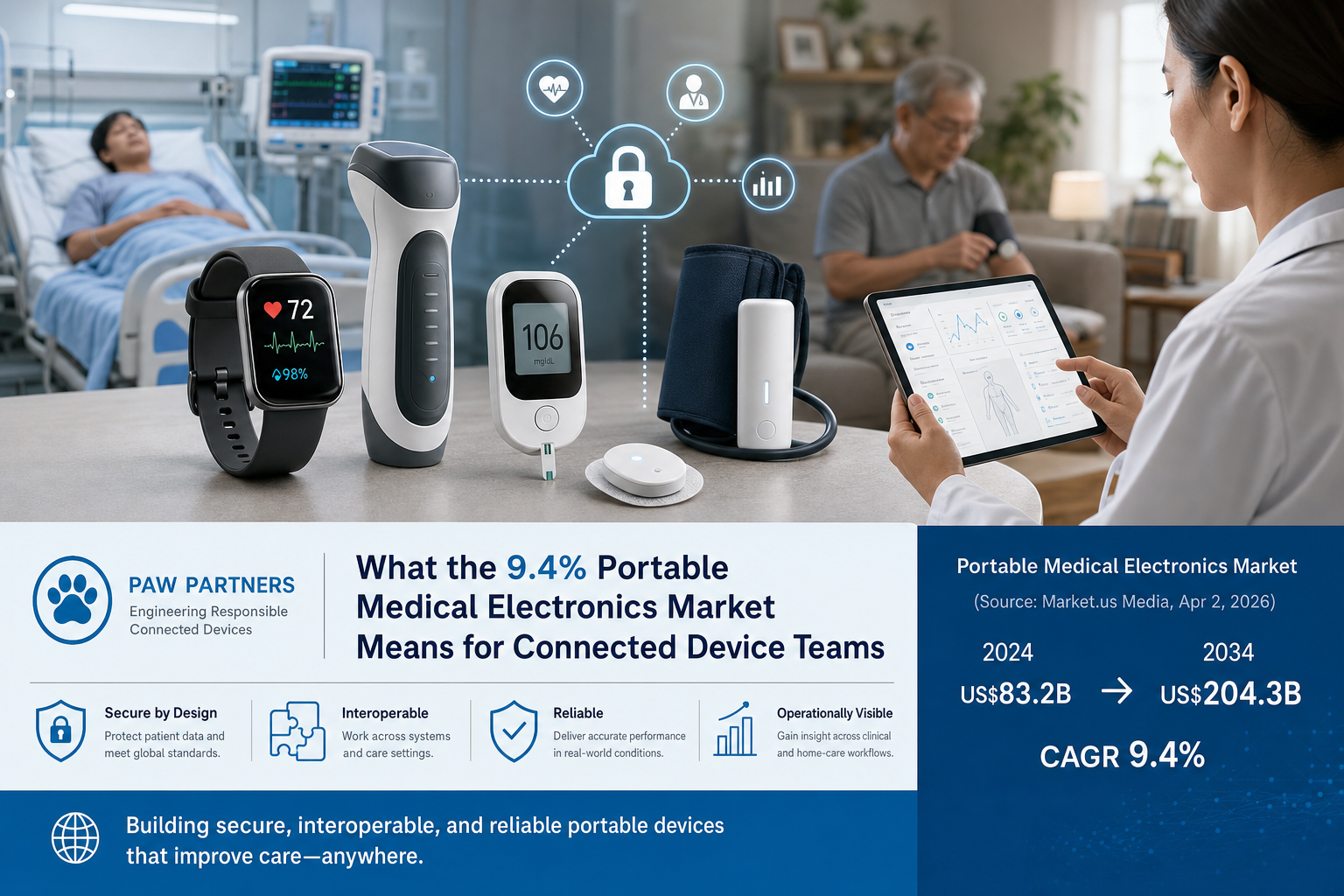
What the 9.4% Portable Medical Electronics Market Means for Connected Device Teams
Market.us Media reported on April 2, 2026 that portable medical electronic products are projected to grow from US$83.2 billion in 2024 to US$204.3 billion by 2034 at a 9.4% CAGR. The growth points to a broader engineering challenge: building portable devices that are not only compact, but also secure, interoperable, reliable, and operationally visible across clinical and home-care workflows.
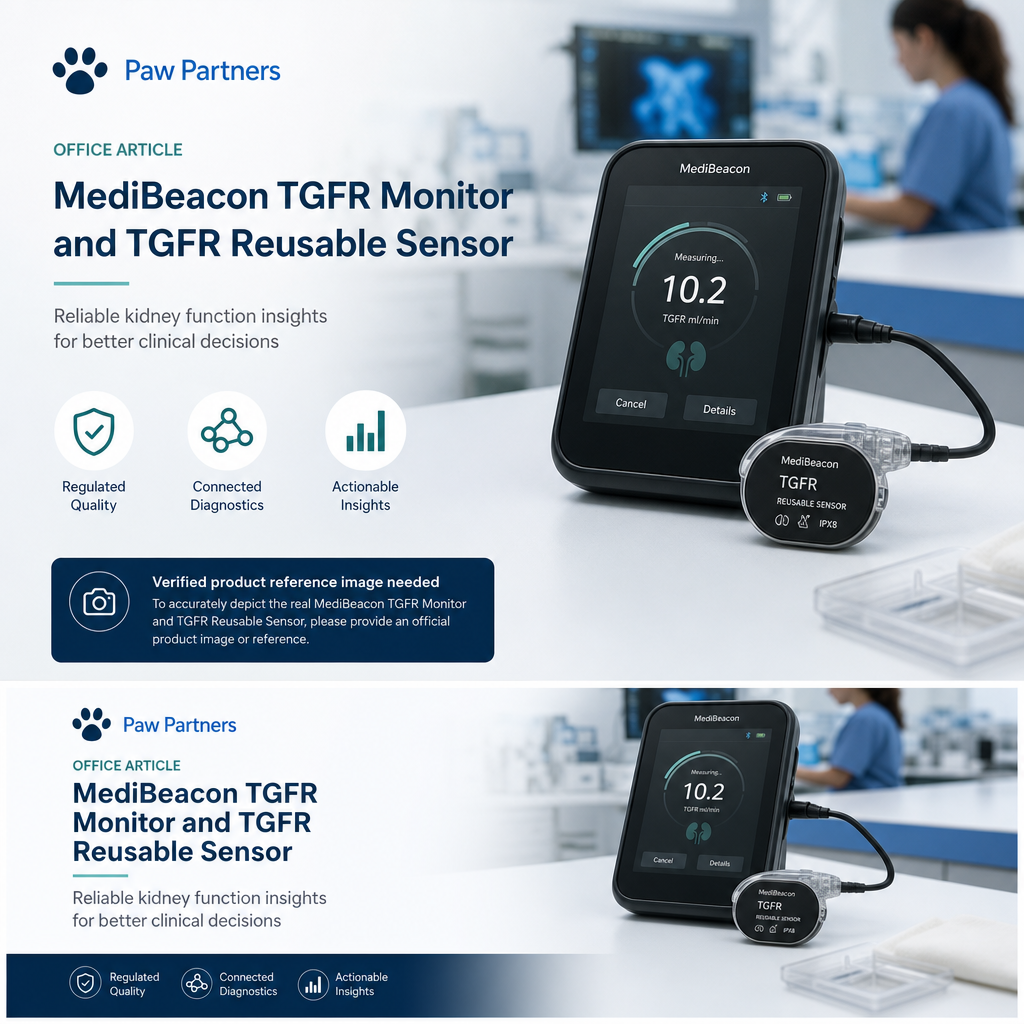
MediBeacon’s CE Mark for TGFR Monitor and Reusable Sensor Shows Why Connected Diagnostics Need Regulated Reliability
MediBeacon announced EU CE Mark certification for its TGFR Monitor and TGFR Reusable Sensor on March 31, 2026, marking a regulatory milestone for its transdermal kidney-function platform. The release highlights a broader engineering lesson: clinical-grade connected devices succeed only when sensors, software, consumables, telemetry, and operational support work as one system.
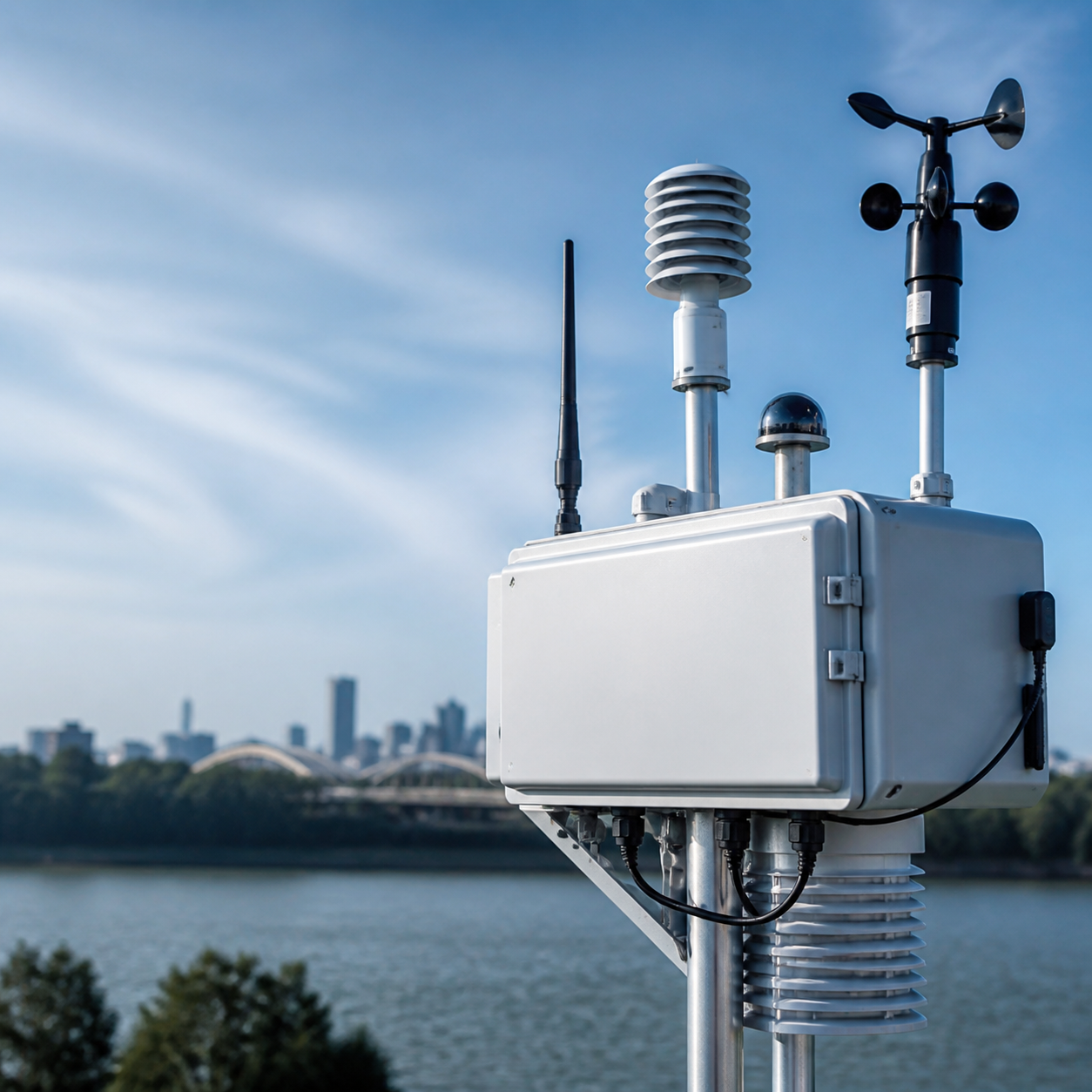
What the Ostara station shows about next-generation air quality monitoring
Envirotech Online reported that Aquaread has brought nke's Ostara monitoring station to the UK as an exclusive offering. The platform combines air-quality sensing, weather measurement, online access, and optional water-quality integration, showing how connected monitoring can improve response time and operational visibility.
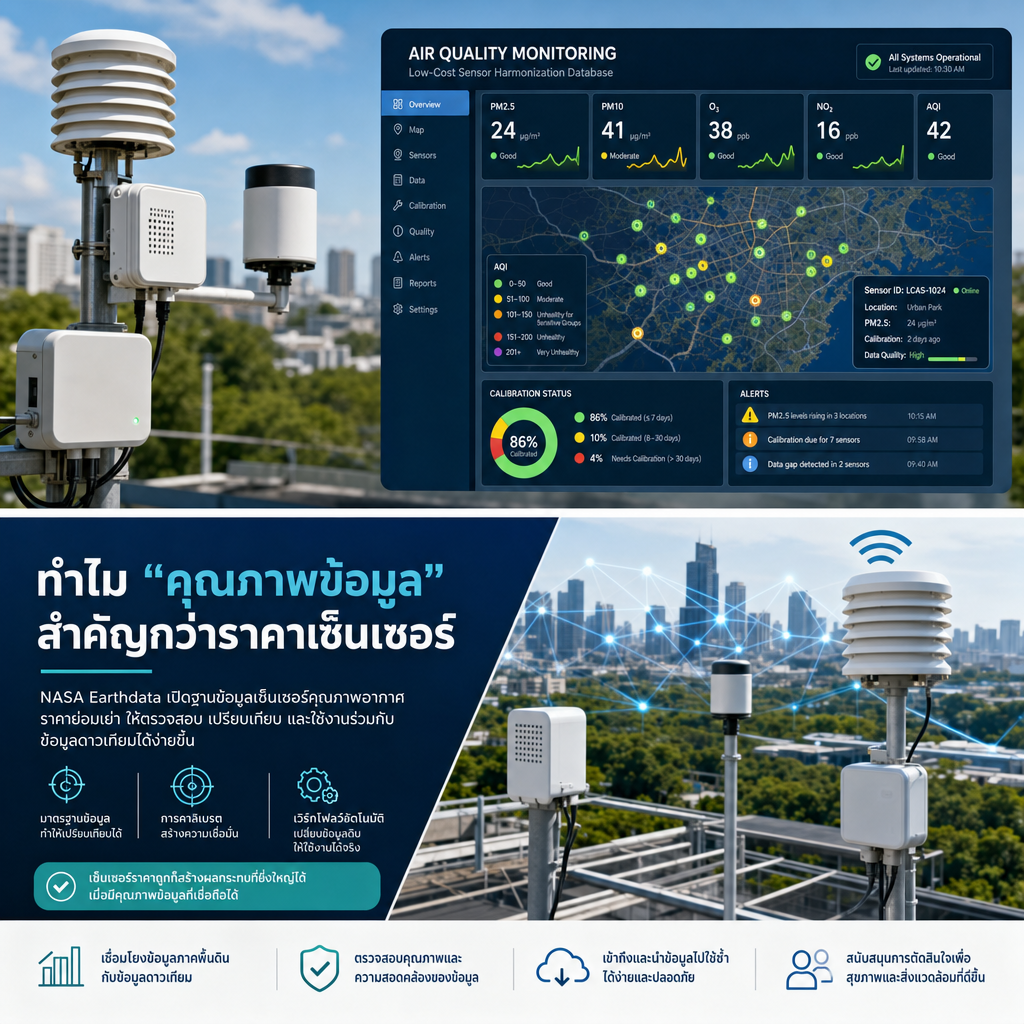
NASA’s Low-Cost Air Quality Sensor Database Shows Why Data Quality Matters More Than Sensor Price
NASA Earthdata’s new Low-Cost Air Quality Sensor Harmonization Database brings together ground-based air-quality measurements from inexpensive sensor networks and makes them easier to compare, validate, and reuse. The article explains why standardized metadata, calibration, and workflow automation turn low-cost devices into operationally useful data.
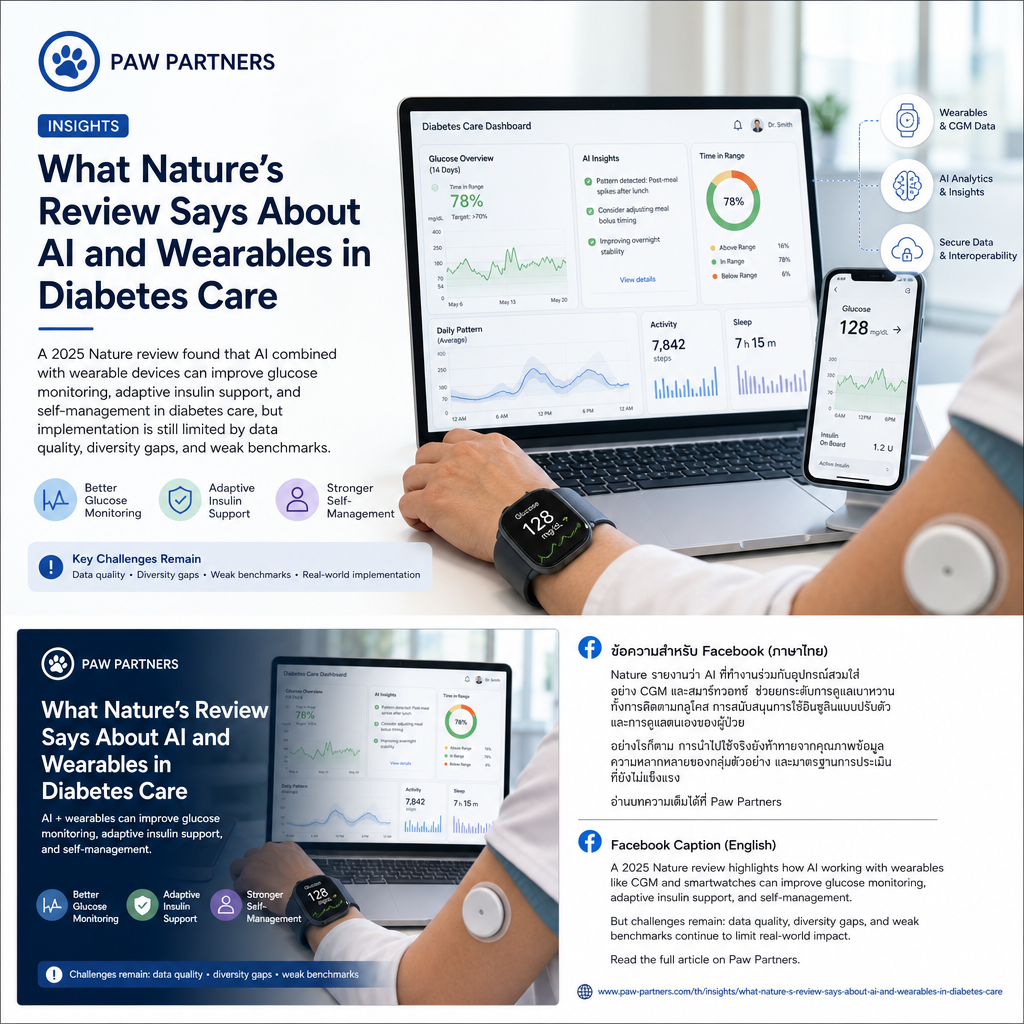
What Nature’s Review Says About AI and Wearables in Diabetes Care
A 2025 Nature review found that AI combined with wearable devices can improve glucose monitoring, adaptive insulin support, and self-management in diabetes care, but implementation is still limited by data quality, diversity gaps, and weak benchmarks.
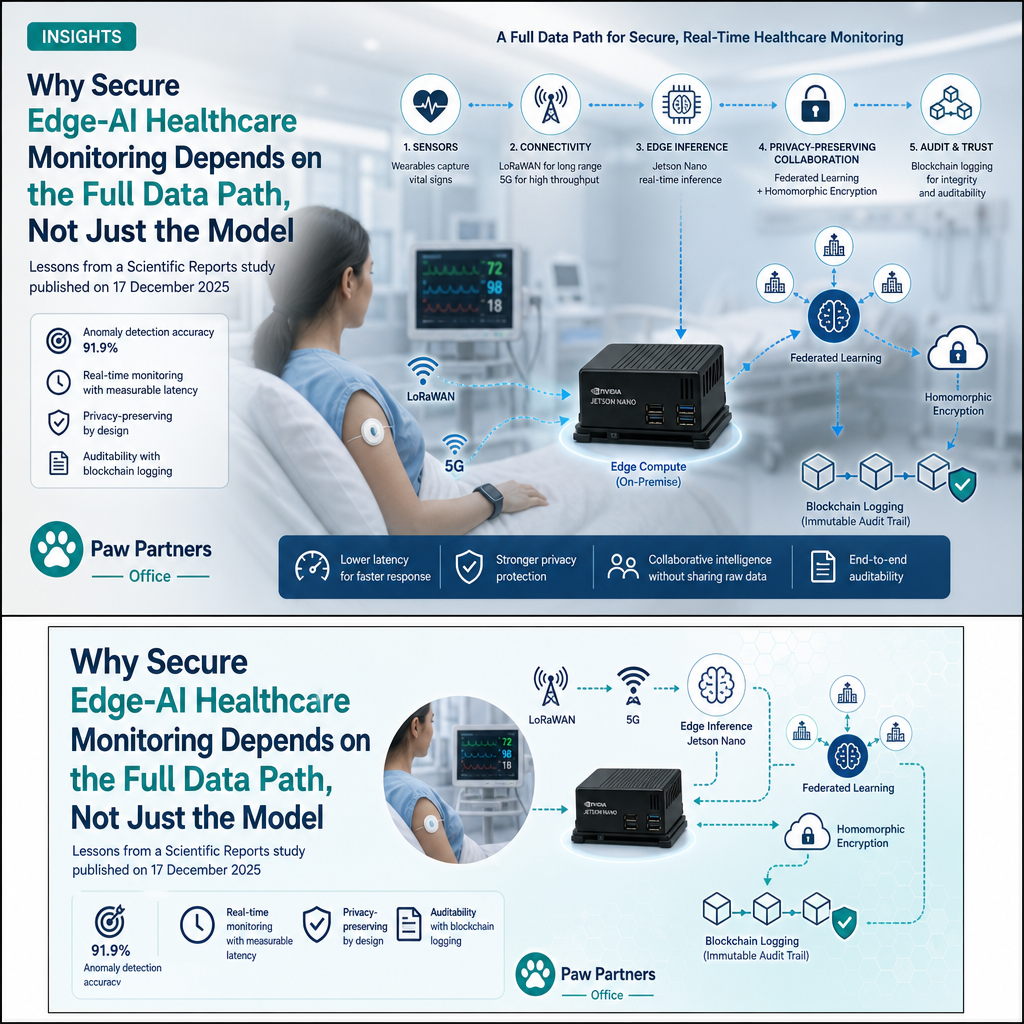
Why Secure Edge-AI Healthcare Monitoring Depends on the Full Data Path, Not Just the Model
A Scientific Reports paper published on 17 December 2025 shows that real-time healthcare monitoring only becomes operationally useful when edge inference, wireless transport, privacy-preserving collaboration, and auditability are designed as one system. The study combines LoRaWAN, 5G, federated learning, homomorphic encryption, and blockchain logging on Jetson Nano hardware to detect anomalies with 91.9% accuracy while making the privacy and latency trade-offs measurable.
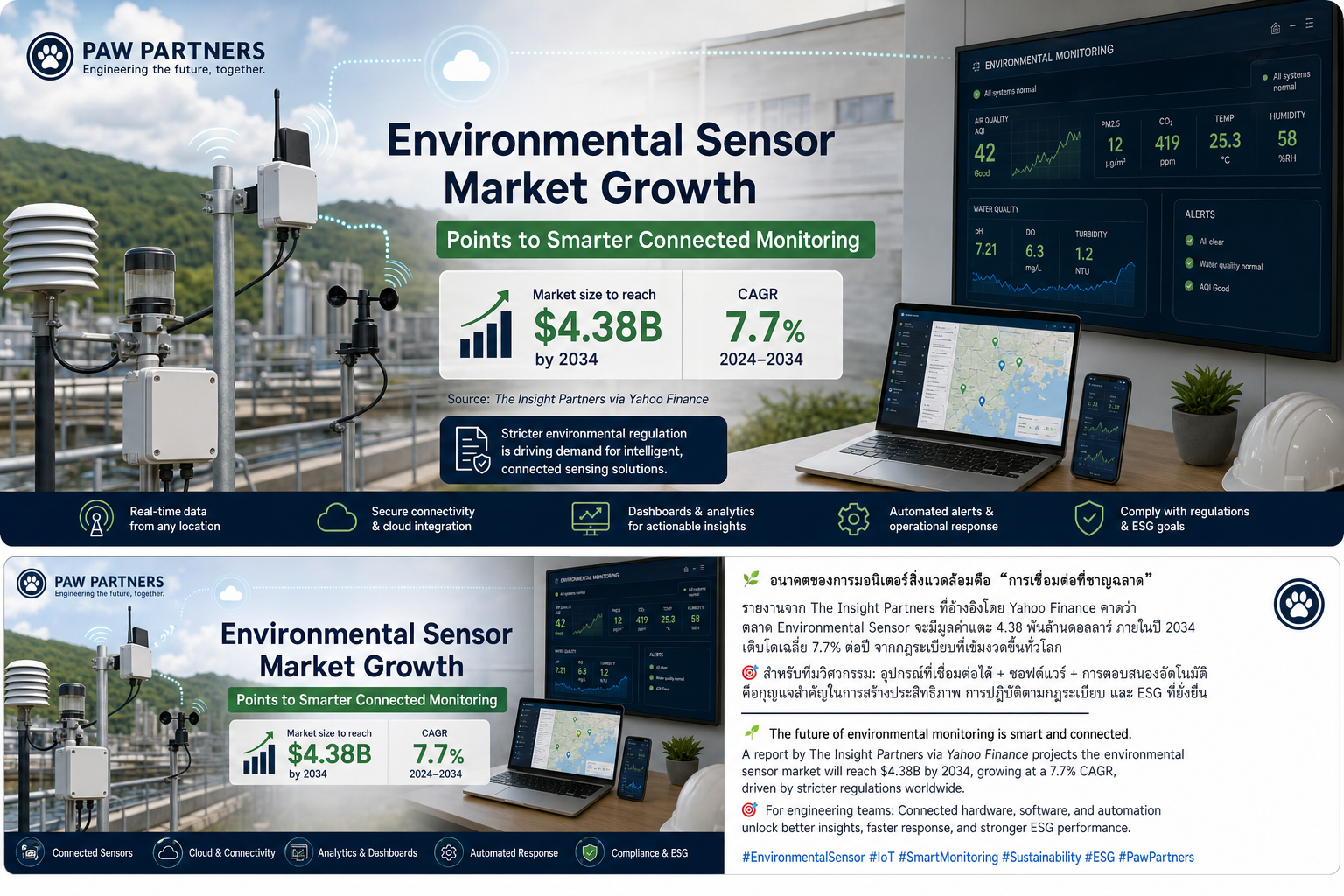
Environmental Sensor Market Growth Points to Smarter Connected Monitoring
A Yahoo Finance report citing The Insight Partners says the environmental sensor market is projected to reach $4.38 billion by 2034, driven by a 7.7% CAGR and stricter environmental regulation. The signal for engineering teams is clear: sensing hardware is becoming more valuable when it is paired with connectivity, software workflows, dashboards, and automated operational response.
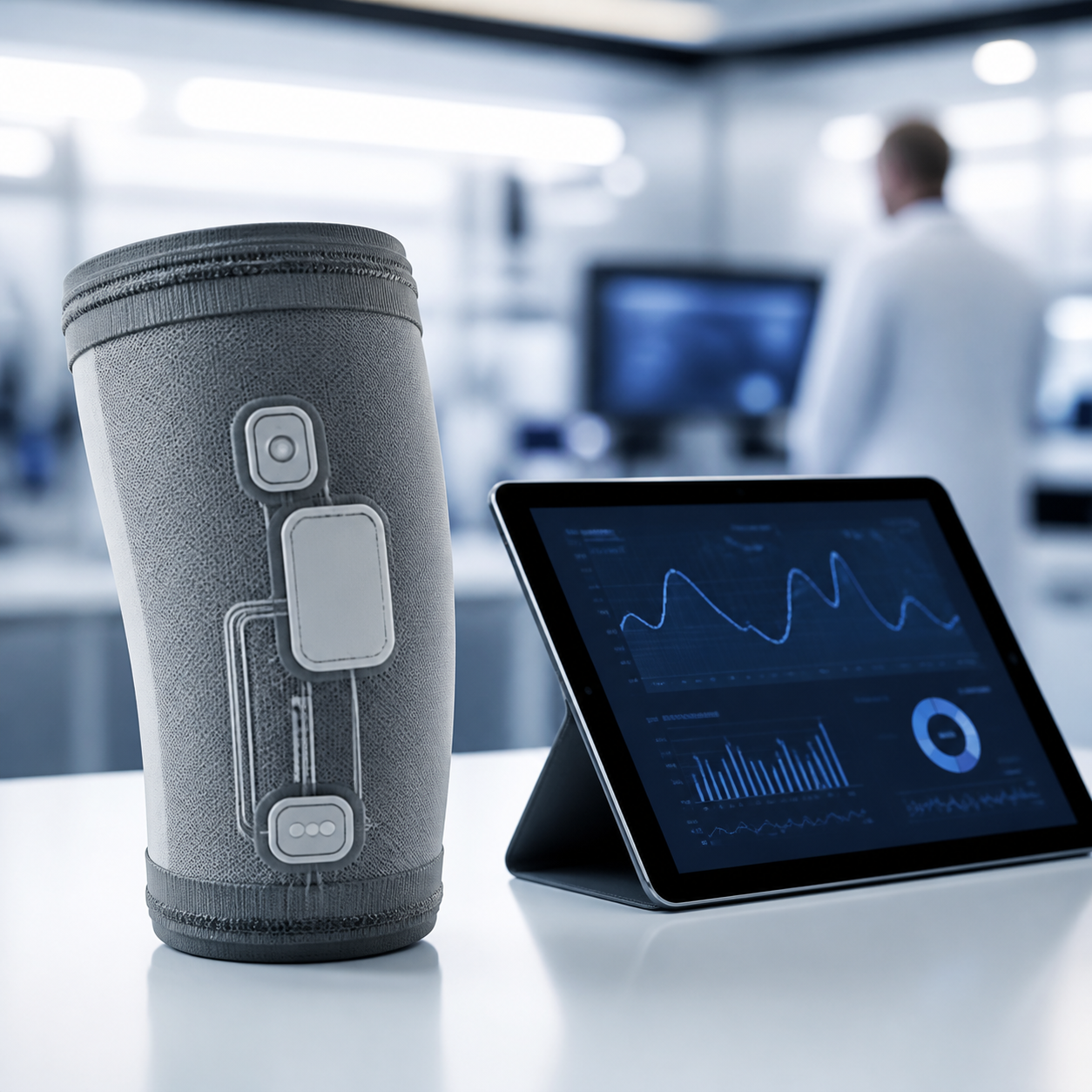
How Wearable Medtech Is Reshaping Medical Device Development
A University of Arizona wearable vitals monitor, SleeveSense, shows how medtech development now depends on comfort, continuous sensing, data usability, and a clear path from prototype to commercialization.
Wearable Medical Devices Are Becoming a Data Infrastructure Problem
Barchart’s March 31, 2026 syndication of DelveInsight’s wearable medical devices report points to fast market growth, but the deeper story is the need for secure, interoperable remote-care systems that can reliably move clinical data from device to dashboard.
Six Practical Ways to Lock Down IoT Devices Before They Become a Business Risk
An SC Media perspective by Ben Lincoln argues that IoT security is a lifecycle problem, not a one-time setup task. The article’s six recommendations map directly to operational controls that reduce downtime, limit exposure, and make connected device fleets easier to manage.